

How to get rid of excess water in the body? Proven methods!
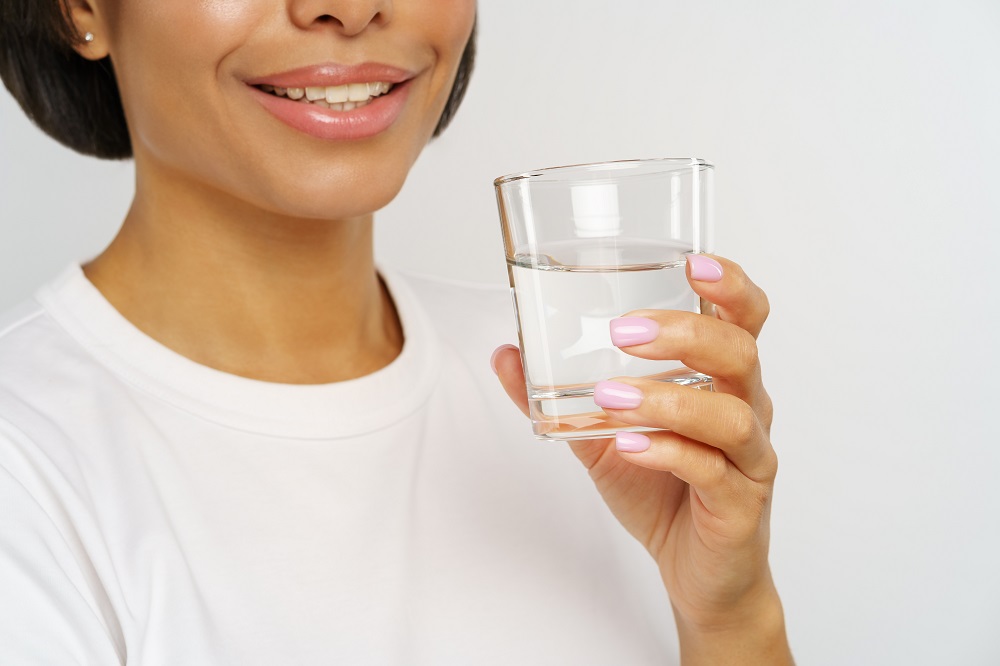

Excess water in the body is a problem that affects many people. Water retention often causes swelling of the hands and legs, headaches, a feeling of heaviness and weakness. It can also result in sudden weight gain of 2-3 kg. However, it is worth knowing that excess water in the body does not always mean health problems. Often it is only a temporary effect of diet, hormonal changes or lifestyle.
How to get rid of excess fluid from the body? Are there natural remedies for swelling and puffy legs? How to remove excess water from the body quickly and safely? What are water retention supplements and what do they contain?
Table of contents
Swollen legs and face – where does the swelling come from?
Swollen legs, face and a feeling of heaviness in the body are the most common symptoms of excess water in the body. Water retention can occur in various parts of the body. The most visible are swollen legs, especially around the ankles and calves, as well as a swollen face, especially around the eyes.
Swelling in the legs is most often the result of venous or lymphatic insufficiency, when blood and lymph do not circulate properly and water accumulates in the tissues. This phenomenon intensifies during the day, especially after prolonged standing or sitting.
Facial swelling, on the other hand, can be the result not only of water retention, but also of hormonal changes (e.g. before menstruation) or excess sodium in the diet. The accumulation of water in the subcutaneous tissues can also lead to water cellulite, or ‘orange peel skin’, especially around the thighs and buttocks.
If you want to check whether your body is overhydrated, you can perform a test for excess water in the body. To do this, press your finger into your skin (e.g. on your calf) for a few seconds. If a dent remains after the pressure is released, this may indicate water retention.
5 main causes of excess water in the body
Water retention in the body can be caused by various factors. Here are the five main causes of fluid retention:
- A salty diet. Excess salt in the diet causes the body to store water in the intercellular spaces. Sodium retains water, which can lead to swelling. Eating too many processed foods, fast foods or salty snacks promotes water retention in the body.
- Sedentary lifestyle. Lack of physical activity, especially in office work, causes water to retain in the legs and feet. For this reason, daily exercise is crucial in combating swelling.
- Premenstrual syndrome (PMS). Hormonal changes in the luteal phase of the menstrual cycle lead to an increase in progesterone levels, which can cause water retention. Before their period, many women struggle with swelling, especially in the abdomen and legs.
- Heat. High temperatures cause blood vessels to dilate and slow down circulation, leading to water retention in the body. For this reason, it is important to stay hydrated during the summer.
- Long journeys/standing. During long journeys by plane, car or bus, as well as when standing at work, blood has difficulty circulating. This causes swelling, which can last for several hours.
How to quickly get rid of excess water from the body?
It is possible to get rid of excess water from the body, and the key is to use the right methods. Here are some proven ways that can help remove excess water from the body.
Lymphatic drainage
Regular lymphatic drainage is an effective method for improving lymph circulation and eliminating water from the body. This can be either a massage performed by a specialist or techniques performed independently, e.g. using a massager.
Water detox
Detoxification of the body involves increasing water intake, which helps flush out excess toxins and sodium. Drinking the right amount of water regularly (about 2–3 litres a day) improves the body's water and electrolyte balance and supports kidney function.
Proper diet
A diet rich in potassium and low in salt will help regulate the body's water balance. Increasing your intake of vegetables and fruit, especially those rich in potassium, promotes proper hydration and balances the effects of sodium. Avoid highly processed foods, fast food, salty snacks, and adding salt to your food.
Physical activity
Movement, especially leg exercises, improves blood and lymph circulation. Exercises such as walking, running, swimming or yoga will help speed up the elimination of water from the body. Therefore, remember to exercise regularly every day. You don't have to join a gym right away. Just go for a short walk or stretch at home.
Supplementation
Diuretic supplements, as well as preparations containing extracts of herbs with diuretic properties, can help remove excess water from the body. However, you should not take them on your own. Consult your doctor before starting supplementation, especially if you have kidney or heart problems.
Natural ingredients for water retention
Here is a list of natural ingredients that can help you remove excess water:
- Dandelion - has a diuretic effect, aids in the elimination of water and stimulates kidney function.
- Horsetail - has a diuretic effect and helps detoxify the body by accelerating the removal of toxins and unnecessary metabolic products.
- parsley - contains vitamins and minerals that help regulate water balance,
- nettle - is known for its diuretic properties and also has a mild cleansing and anti-inflammatory effect,
- potassium - helps regulate water balance, reducing the effects of water retention,
- magnesium - improves kidney function, which is responsible for excreting excess substances from the body, including water,
- vitamin B6 - supports water balance, especially during the premenstrual period.
Anti-swelling diet - what really works?
Diet plays a key role in reducing swelling. If you want to regulate your body's water and electrolyte balance and reduce the risk of water retention in your tissues, focus primarily on reducing salt and increasing potassium intake. Avoid highly processed foods, fast food and salty snacks. Instead, try to eat more fresh vegetables, fruit, nuts and legumes.
Don't forget to stay properly hydrated – drink water regularly to support the natural processes of water elimination from the body. In addition, ensure an adequate supply of fibre in your diet – eat plenty of whole grains, vegetables and fruit to support digestion, speed up intestinal transit and prevent constipation.
Supplements for water retention – which ingredients to choose?
If you want to effectively get rid of excess water from your body, supplements may be a beneficial solution. If you want to reduce swelling, improve your comfort and improve your figure, choose products that contain extracts of nettle, dandelion, as well as potassium, magnesium and vitamin B6.
Remember that drinking water regularly, avoiding excess salt, increasing your intake of potassium and magnesium, and exercising daily are key elements in combating swelling and water retention. If the symptoms of excess water persist for a long time, it is worth consulting a doctor to rule out more serious health problems.
Bibliography