Collagen
Collagen is one of the most important proteins in the human body. It is the primary component of the extracellular matrix and is found in the skin, muscles, and even in the cornea of the eye. Due to its versatile properties, it is used in many areas, from dietary supplements to surgical sutures.
What Is Collagen?
Collagen is a natural polymer and a structural protein that is a key component of all animal organisms.
Collagen fibers are the building blocks of structures such as the skin, cartilage, and muscles. The synthesis of collagen primarily occurs in fibroblasts and is composed solely of endogenous amino acids. The basic structural unit of collagen is a triple helix known as tropocollagen.
Collagen is produced naturally by the human body and makes up about 30% of all human proteins. It is also one of the main components of connective tissue, serving as a binding agent that connects different cells.
Natural collagen is distinguished by its specific structure and broad range of functions. The structure of collagen is complex, and it is not a single protein. There are many types of collagen in the human body, each with unique structural and functional characteristics. When broken down into its primary components, collagen consists of elements such as glycine, which makes up 33% of the amino acid composition, proline (10%), and other amino acids like 4-hydroxyproline (10%), 3-hydroxyproline (>0.5%), and 5-hydroxylysine (1%).
It is important to note that, over time, the body's natural collagen production decreases.
Types of Collagen
So far, 29 types of collagen have been discovered in human tissues, each varying in function, structure, and location within the body.
Type I collagen is the most well-known and makes up about 90% of all collagen fibers. It is found in bones, skin, and the cornea of the eye.
Type II collagen, which occurs exclusively in cartilage and forms fibers in combination with type XI collagen, is also well studied.
Other types of collagen can be found in structures such as skeletal muscles, intestines, kidneys, and the uterus.
Sources of Collagen
Products containing collagen include foods such as:
- offal,
- crow's feet,
- food gelatine,
- jelly.
Collagen can also be obtained from the bones, skin, and tendons of animals.
While these are good sources of collagen, they should not be consumed in excessive amounts. These products are also sources of saturated fatty acids and cholesterol, which, when consumed in excess, can negatively affect health instead of improving it.
Collagen can also be found in legumes and wheat germ. Additionally, fish meat is a source of collagen. Interestingly, marine collagen closely resembles the structure of collagen naturally found in the human body.
Functions and Benefits of Collagen
The primary role of collagen proteins is to maintain the structural integrity of tissues and organs. This compound fills the spaces between cells and provides mechanical strength to tissues. It also forms a protective layer around internal organs such as the kidneys and liver. Additionally, collagen plays a role in regenerative processes and blood clotting, helping to accelerate wound healing and bone recovery after fractures.
Collagen is often referred to as the "protein of youth" for good reason. It may positively impact the condition of the skin, hair, and nails. Collagen can also influence cell renewal, help maintain proper hydration levels, and improve skin elasticity, thus enhancing its appearance and overall health. Collagen fibers can slow down the skin's aging process and delay the formation of wrinkles.
In addition, collagen supports the proper functioning and condition of joints, helping to prevent the stiffening of tendons and ligaments. It can also enhance metabolic processes and improve the functioning of the digestive and circulatory systems, including contributing to better circulation and blood flow within blood vessels.
Additionally, collagen can enhance mineral absorption and increase bone density. It may also reduce the activity of enzymes responsible for inflammation.
Collagen Deficiency
Collagen is constantly formed and degraded in the extracellular space. In the synthesis of collagen, an important role is played by, among others, insulin, estrogens and thyroid hormones.
However, with age, the ability to regenerate collagen decreases. Starting at around age 25, collagen levels in the body begin to decline, and after the age of 50, the synthesis of collagen significantly decreases.
Collagen deficiency can also be caused by increased physical activity, stress, hormonal imbalances, or mechanical stress.
A deficiency of the compound can cause various symptoms. Among other things, it can contribute to:
- deterioration of the condition of hair and nails,
- loss of skin firmness and elasticity,
- appearance of wrinkles and furrows,
- prolongation of wound healing time,
- joint stiffness and soreness,
- fatigue,
- difficulties with movement,
- increase susceptibility to fractures.
Excess Collagen
Excess collagen typically results from disorders in the body's natural processing of this protein. It can lead to unfavorable changes in connective tissue and cartilage.
Excess collagen may manifest as keloids, which are benign fibrous growths on the skin that form as a result of tissue damage.
During scarring, an excess of primarily type III collagen accumulates.
Collagen Supplementation
Supplementation typically uses pure collagen and its hydrolysates. This substance is primarily recommended for the elderly, as well as for individuals dealing with joint and bone issues. Additionally, athletes who are regularly exposed to damage and mechanical injuries are also advised to consider collagen supplementation.
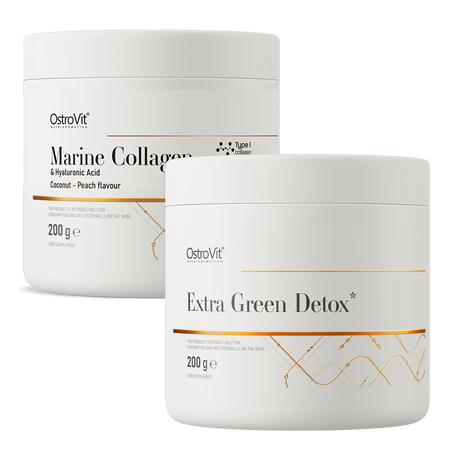
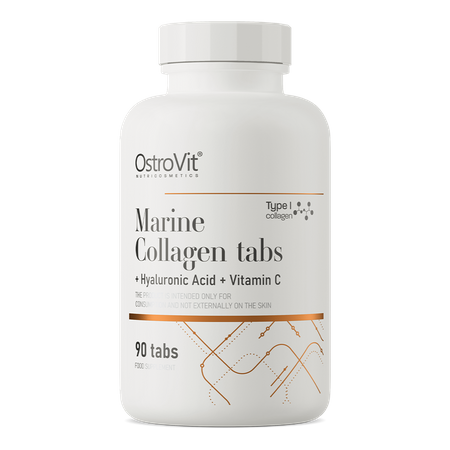
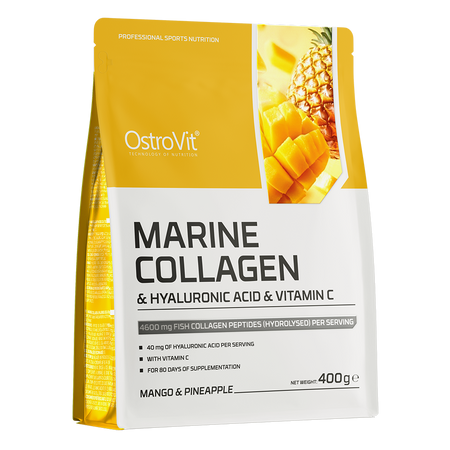
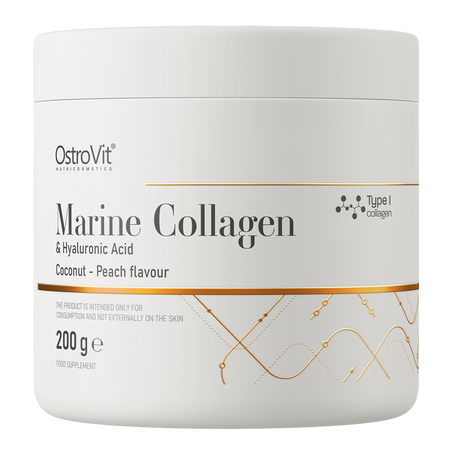
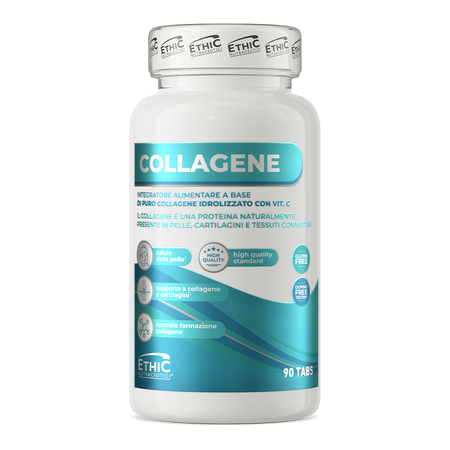
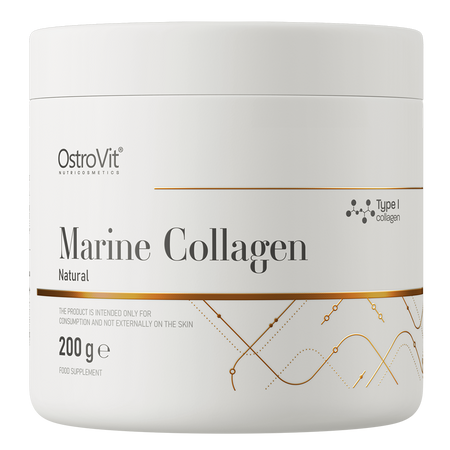
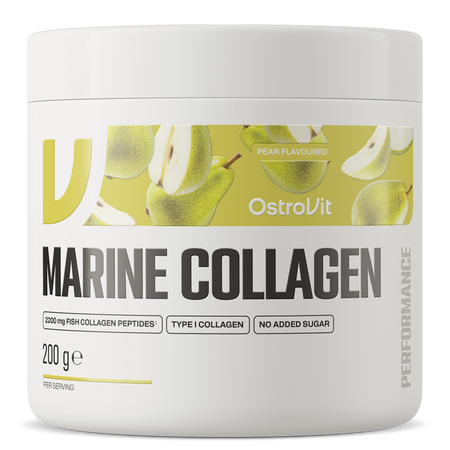
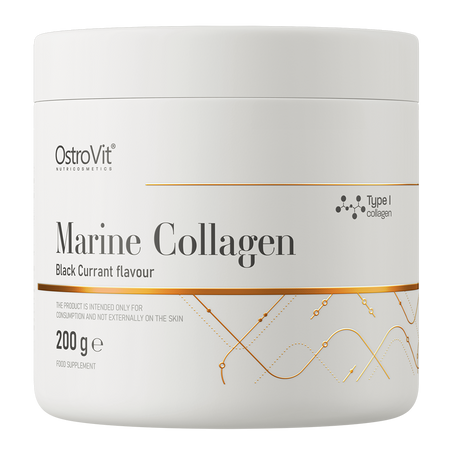
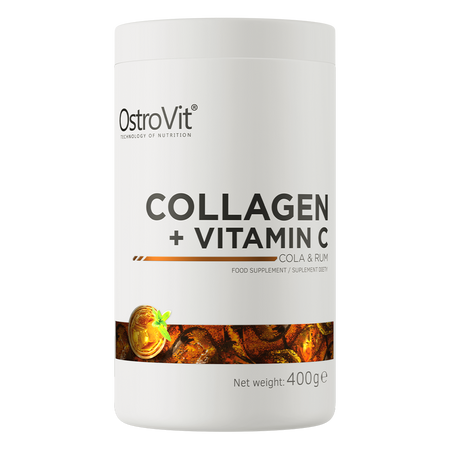
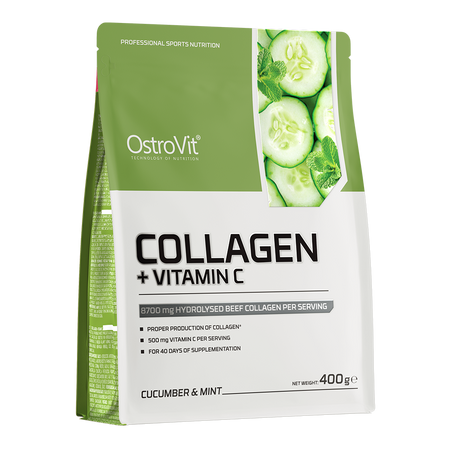
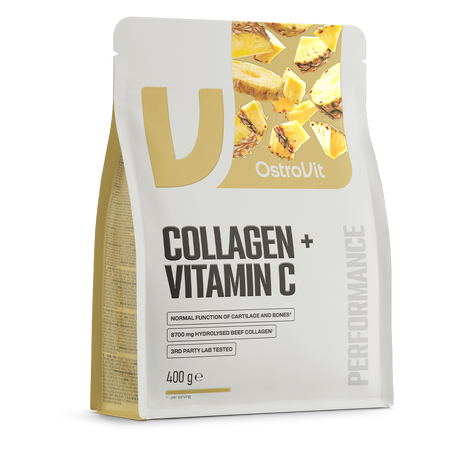
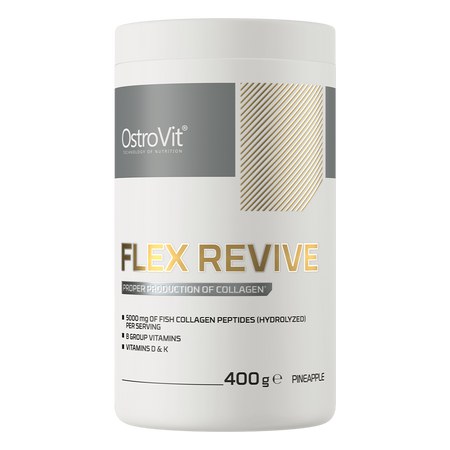
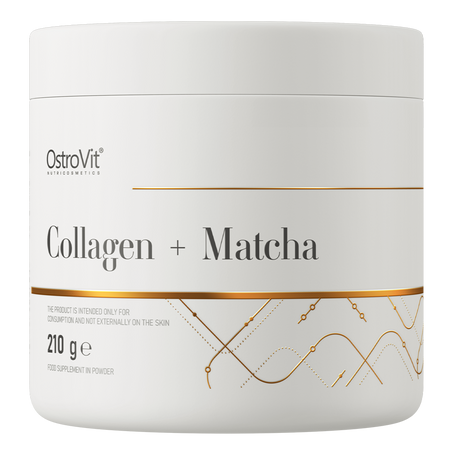
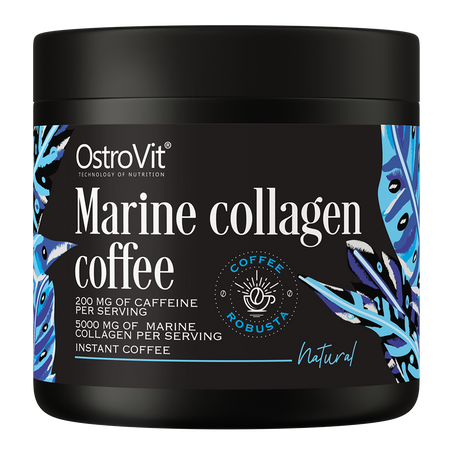
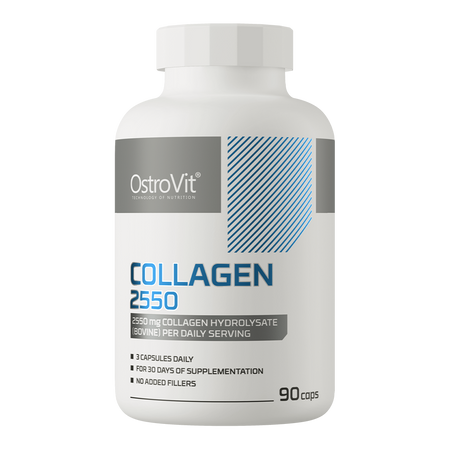
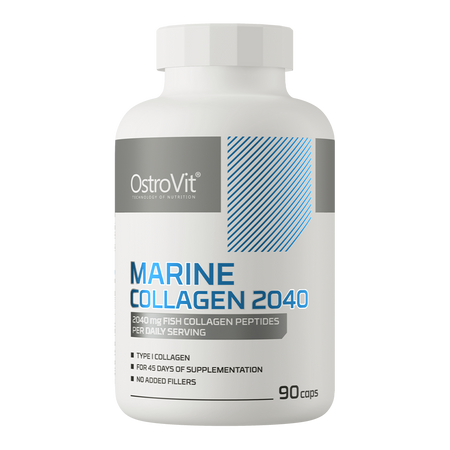
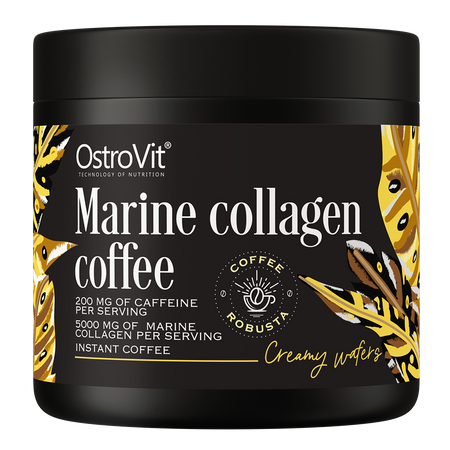
Various types and forms of collagen are available on the market. Collagen supplements come collagen in capsules, collagen in powder, or capsule forms, and selecting the right one is a personal choice. A dietary supplement based on marine collagen is especially recommended, as its structure closely resembles human collagen. Marine collagen powder is also known for its high bioavailability.
In addition, collagen hydrolysate, which is collagen protein broken down into smaller peptides through hydrolysis, is also popular. Hydrolyzed collagen is more easily absorbed in the intestines and is known for better solubility, making it commonly used in liquid supplements.
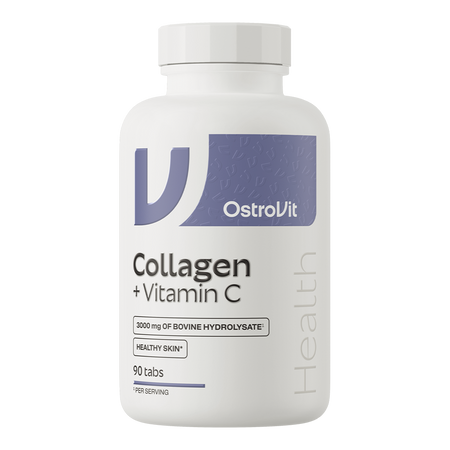
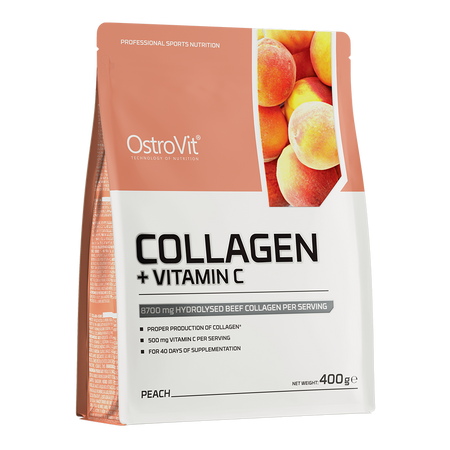
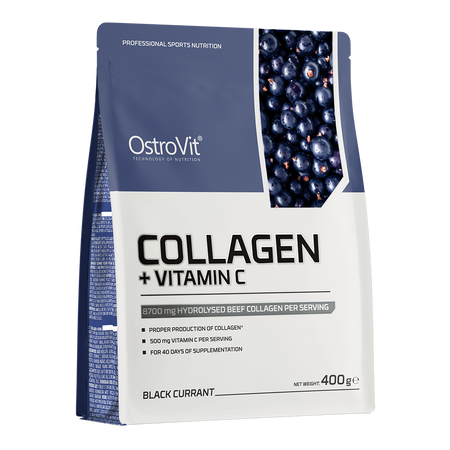
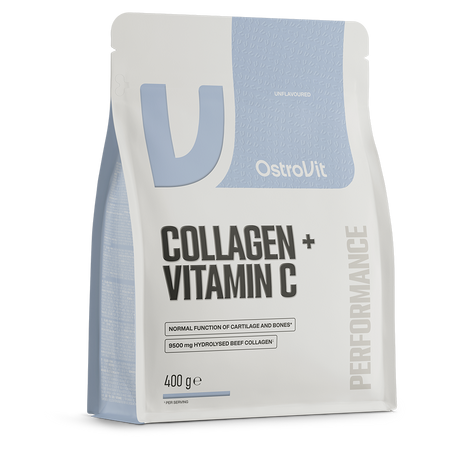
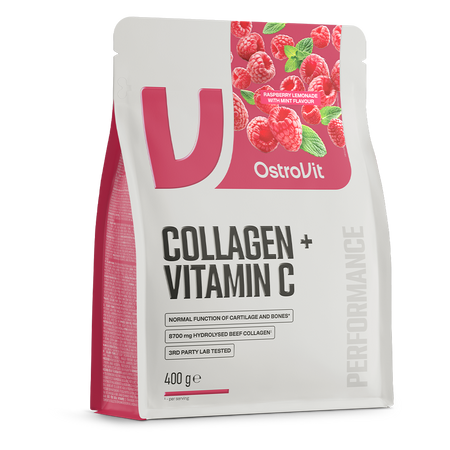
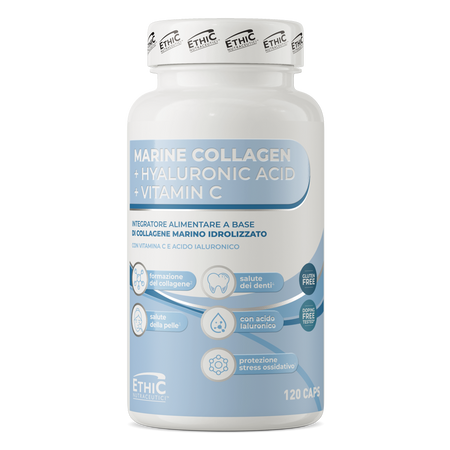
It is also worth paying attention to take collagen with vitamin C and hyaluronic acid, because these ingredients additionally stimulate collagen production.
The appropriate dosage of the supplement depends on the type of product and the individual needs of the consumer. Always follow the manufacturer's instructions provided on the packaging when taking collagen supplements.
Side Effects and Contraindications of Collagen Use
Dietary supplements containing collagen are well tolerated.
Undesirable symptoms may occur, particularly in individuals who do not follow the manufacturer's recommendations and consume excessive amounts of the supplement. Possible effects include muscle pain, general weakness, or nausea.
Do not take collagen supplements if you are allergic or hypersensitive to any of the ingredients in the product.
 Bestseller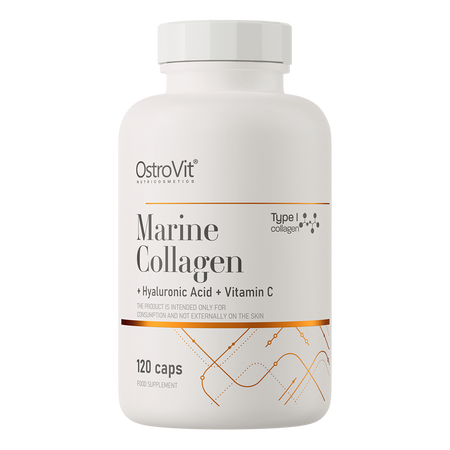
 New
New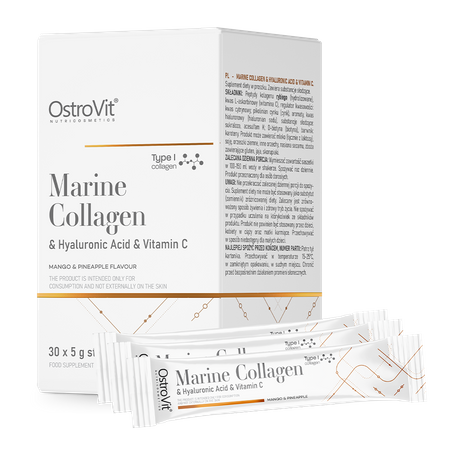
 Product unavailable.