Bone & Joint Support
Protecting the joints and bones is essential for ensuring the proper functioning of the entire musculoskeletal system and, by extension, the human body.
These structures allow us to move and perform various activities. Therefore, to maintain full mobility, it is important to care for and protect the joints and bones.
What Are Joints and Bones?
Joints are part of the human musculoskeletal system, responsible for movement and maintaining proper posture. They are flexible connections between the components of the skeleton.
Bone, on the other hand, is a type of connective tissue that forms a rigid structure. It is composed of both organic and inorganic components that ensure resistance to injury and provide durability. Bone is an organ that makes up the skeletal system, serving as a support structure, or a kind of scaffolding, for the entire body.
Why Is It Important to Take Care of Joints and Bones?
We often realize the importance of joints and bones when we begin to experience issues with them, such as injuries, pain, or damage.
Joints and bones enable full mobility. It is through them that we can move and engage in various sports. Even the smallest movement of our body requires the coordination of several joints.
Therefore, it is important to protect your joints and bones in order to enjoy full fitness and strong bones that can withstand loads for as long as possible. So, how can you take care of your joints and bones?
How to Properly Protect Joints and Bones?
To improve everyday functioning and have a positive effect on the musculoskeletal system, it is worth:
-
Maintaining a Healthy Body Weight: Excessive body weight can negatively impact both joints and bones. It may place too much strain on the musculoskeletal system and cause excessive friction between the articular cartilage, leading to injuries or degenerative diseases, especially in the ankle, knee, and hip joints. Reducing body weight can therefore positively impact joint and bone health.
-
Using a Balanced Diet: A healthy and balanced diet is always beneficial, as a well-chosen menu can support the overall functioning of the body and improve well-being. To protect joints and bones, it's important to include foods rich in vitamin D, vitamin C, collagen, and omega-3 fatty acids. These compounds nourish joints, increasing their strength and flexibility. Including fatty sea fish, fresh vegetables, and fruits in the diet is highly beneficial.
-
Engaging in Regular Physical Activity: It’s often said that "sport is health." Any physical activity can improve joint nutrition and enhance joint condition. Regular exercise can also increase bone mass, improve balance and motor coordination, and reduce the risk of falls and fractures. An active lifestyle also promotes blood circulation and oxygenates the joints. Proper warm-up exercises are crucial, as they reduce the risk of muscle and joint damage.
-
Avoiding Overloading: When performing repetitive tasks, it’s important to maintain proper posture and body alignment to avoid further strain on the joints and bones. Taking breaks between activities is also essential for supporting the regeneration of the musculoskeletal system and improving joint health.
-
Taking Preventative Measures: To avoid experiencing pain, injuries, and fractures, it's important to protect joints and bones proactively. Along with regular physical activity and a nutrient-rich diet, considering dietary supplements that support joint and bone health can be beneficial during periods of increased activity or higher risk of injury.
Substances, which can support joints and bones
For individuals who are particularly vulnerable to joint and bone damage (e.g., athletes undergoing intensive training), implementing appropriate supplementation can be an effective solution. This can help support joint health, strengthen bones, and regenerate joint cartilage. Properly selected supplements can be an excellent complement to a healthy, balanced diet and regular physical activity.
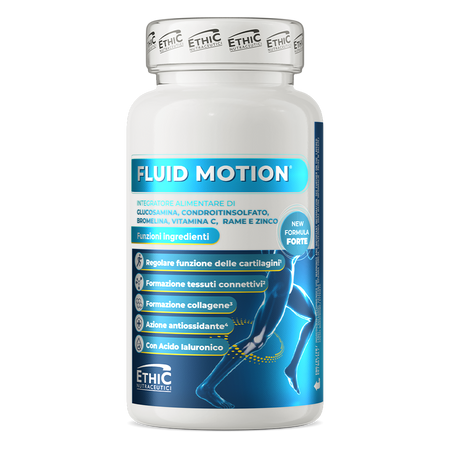
Among the supplements that can help protect joints and bones, it's worth highlighting compounds such as collagen, glucosamine, organic sulfur, and chondroitin.
Collagen
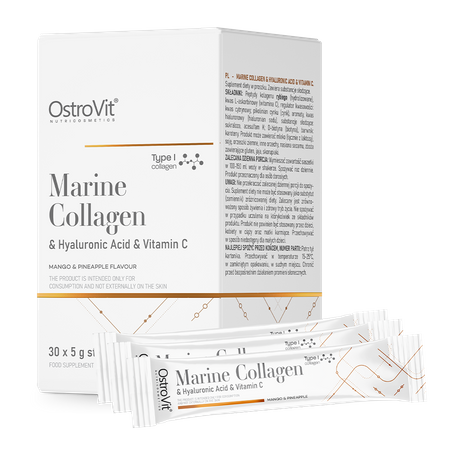
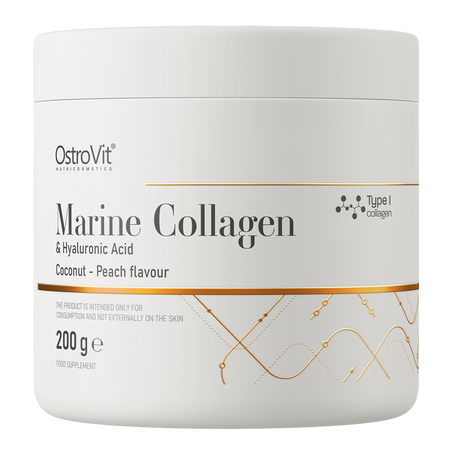
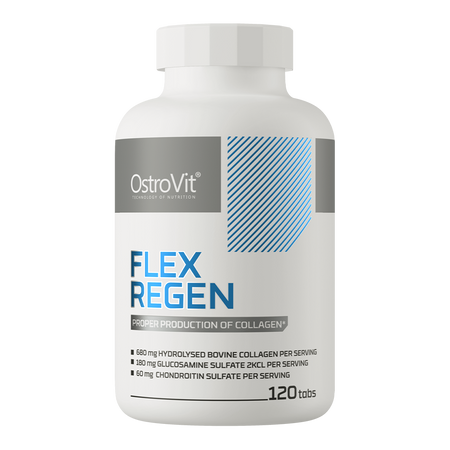
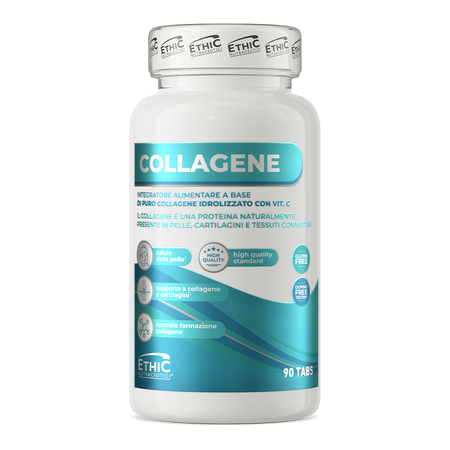
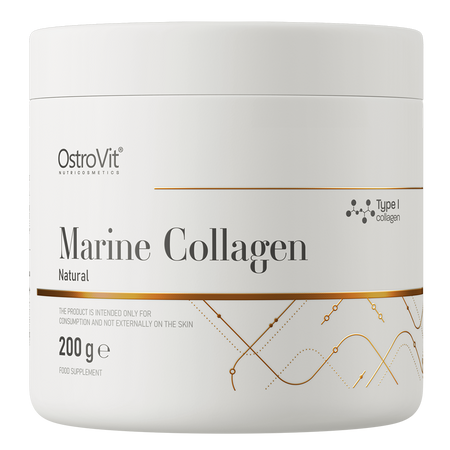
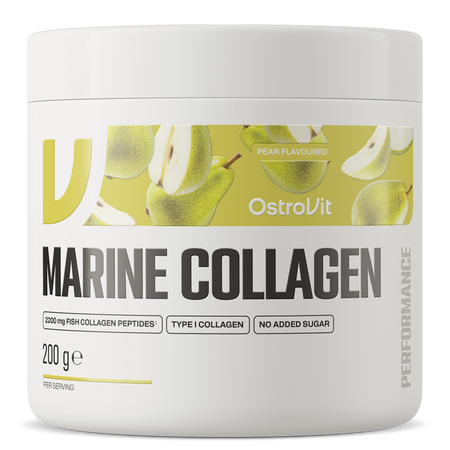
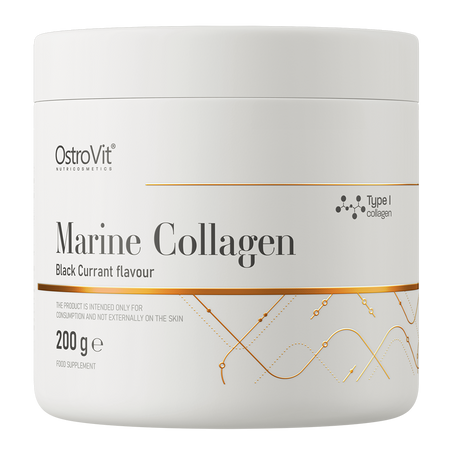
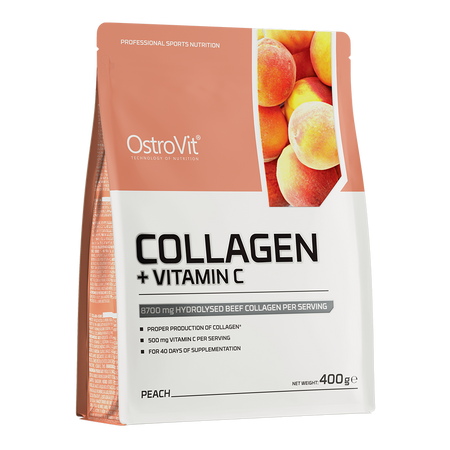
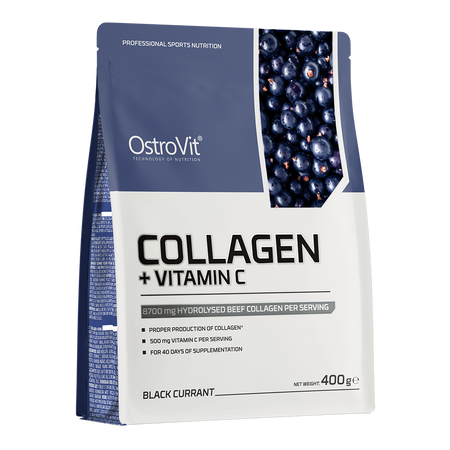
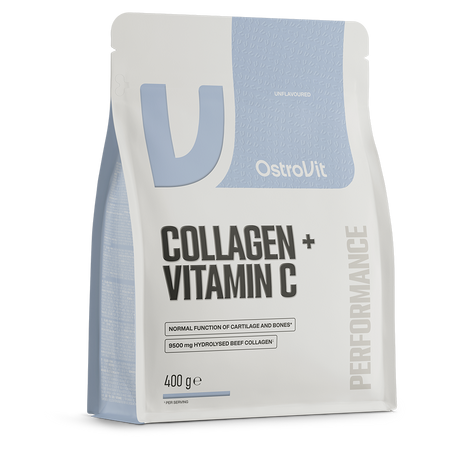
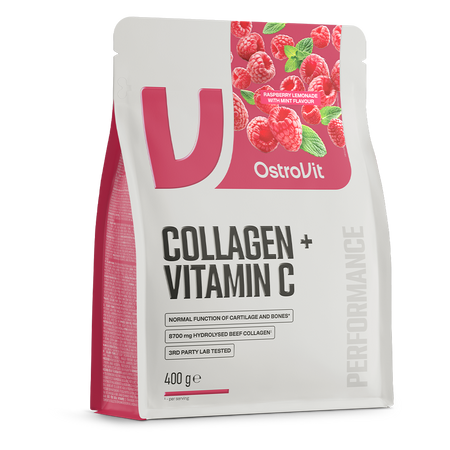
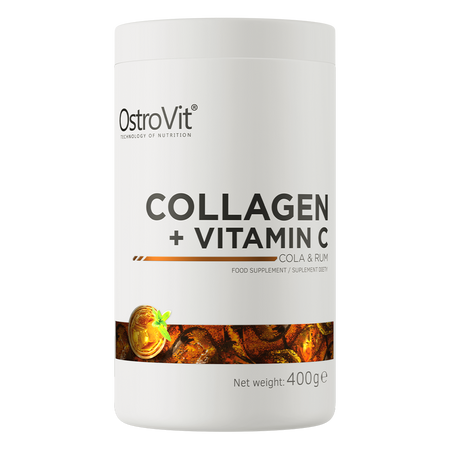
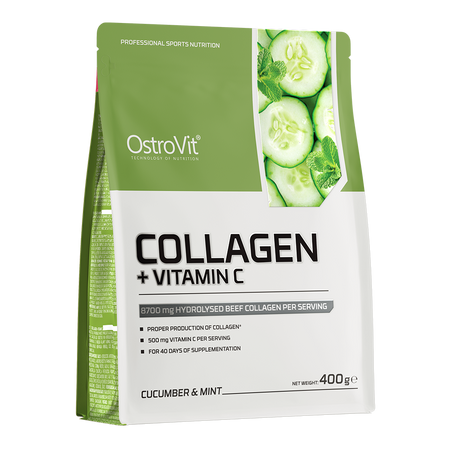
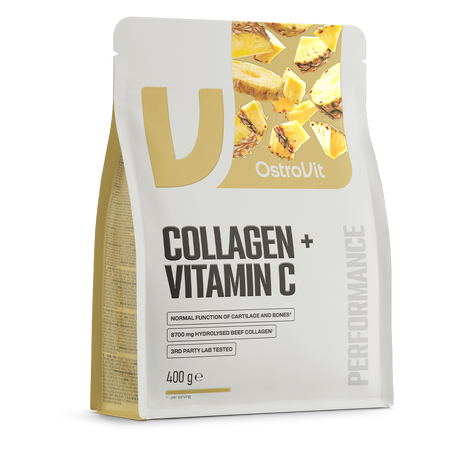
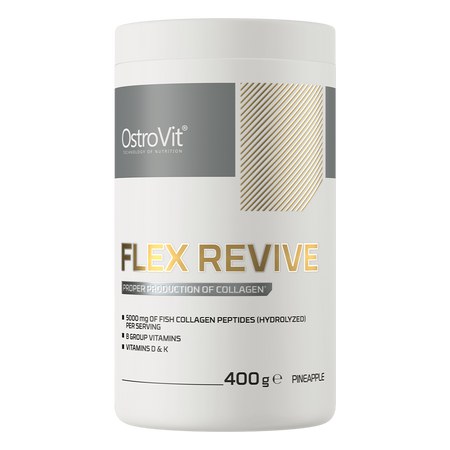
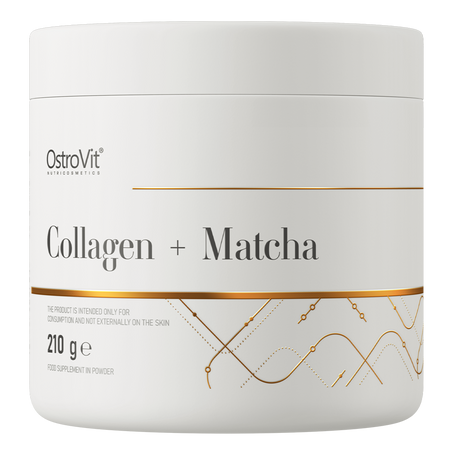
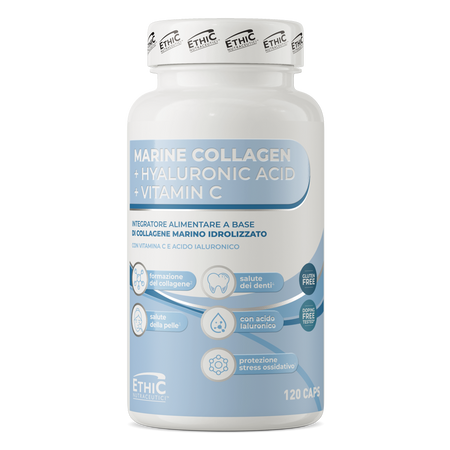
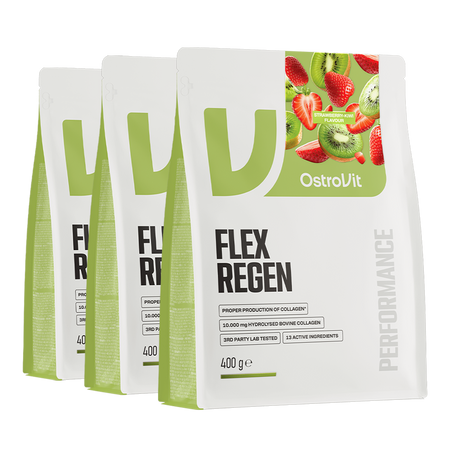
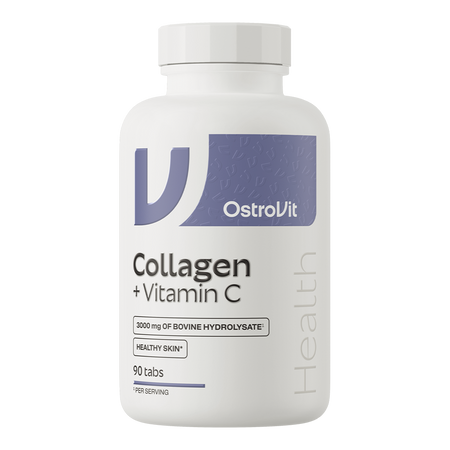
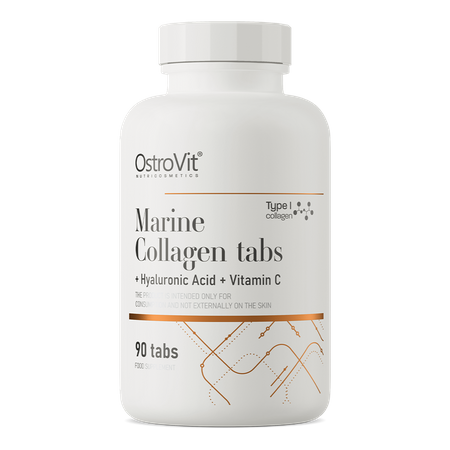
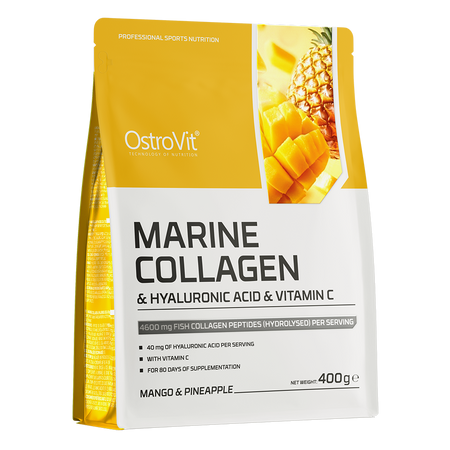
Collagen is an essential substance for the proper functioning of joints, making up as much as 70% of their structure. It is a protein that forms part of the connective tissue and serves as a building block of joint cartilage.
Collagen helps regulate the flexibility of joints and is also responsible for producing the proper amount of synovial fluid. An adequate supply of collagen may increase cartilage resistance to mechanical stress. Additionally, this protein may play a role in wound healing and bone healing processes.
Glucosamin
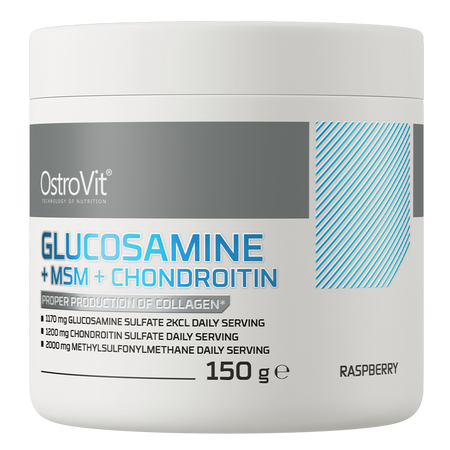
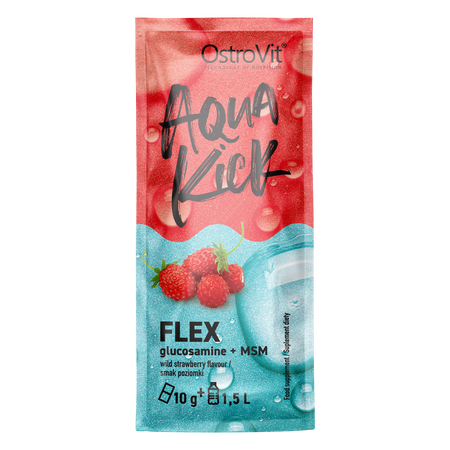
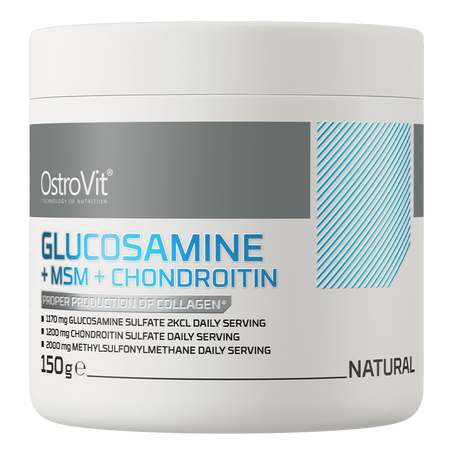
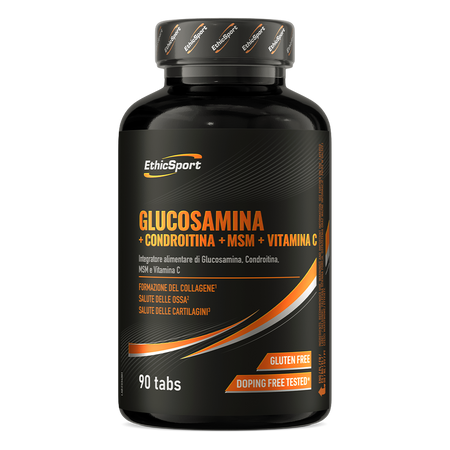
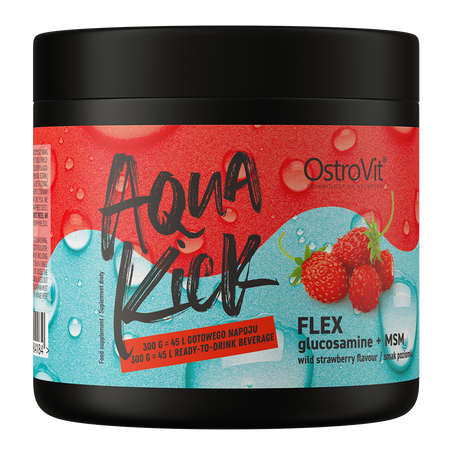
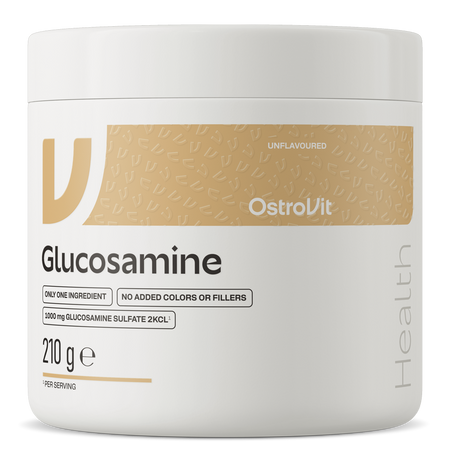
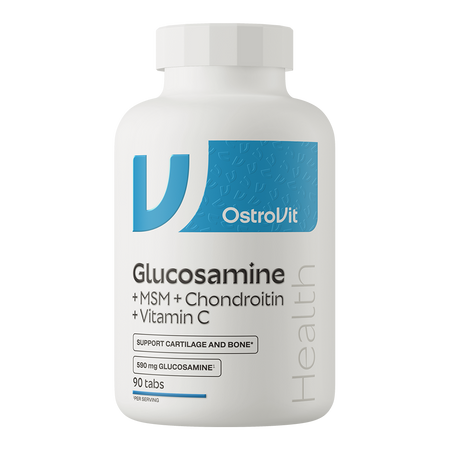
Glucosamine is a key substrate required for the biosynthesis of proteoglycans, which are essential components of joint cartilage. The compound can stimulate collagen production and help retain water in connective tissues, improving their flexibility and elasticity.
MSM
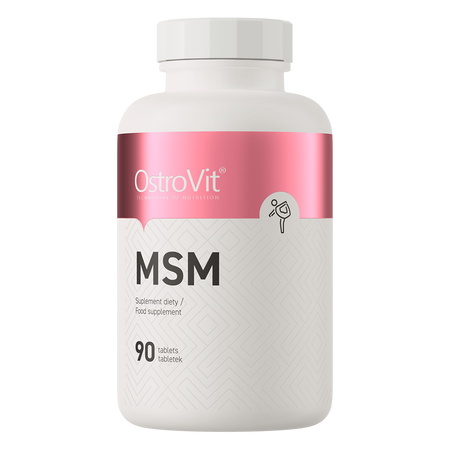
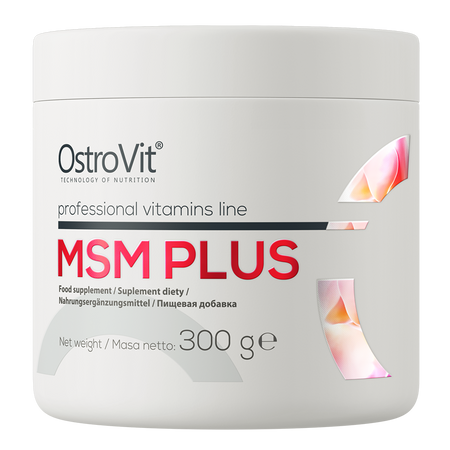
MSM, or organic sulfur, is a compound that can help reduce inflammation in the joints. Additionally, it may alleviate pain, swelling, and stiffness.
MSM can also support the regeneration of the entire skeletal system, nourish bones and joints, and improve the condition of synovial fluid. Organic sulfur may also help reduce cartilage breakdown, which protects the ends of bones in joints.
Chondroitin
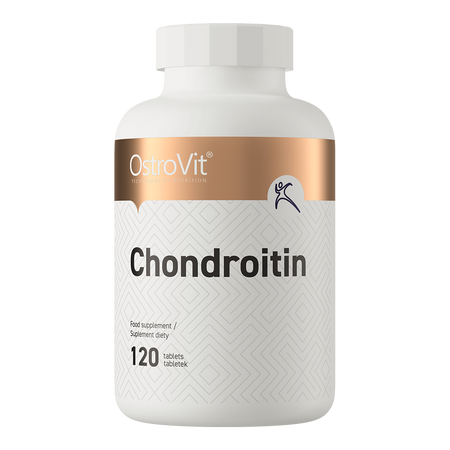
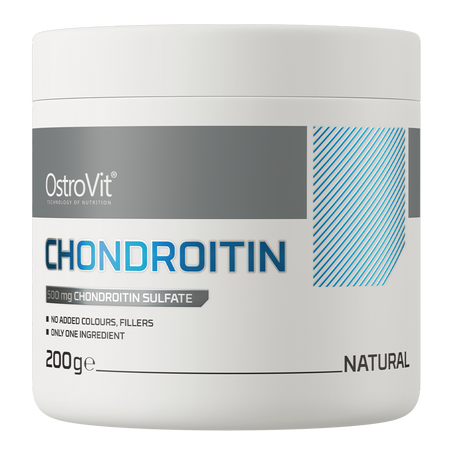
Chondroitin is a key component of joint cartilage that helps protect joints from excessive friction.
The compound can also support the production of synovial fluid, which is essential for the proper functioning of joints. Additionally, it may aid in the reconstruction of connective tissue and help relieve pain associated with joint stiffness.
Hyaluronic acid
Hyaluronic acid is a component of synovial fluid. It helps nourish articular cartilage and protects it from excessive stress and friction.
In addition, hyaluronic acid can help retain water and restore the elastic properties of synovial fluid. This compound may also improve joint mobility.
Vitamin D
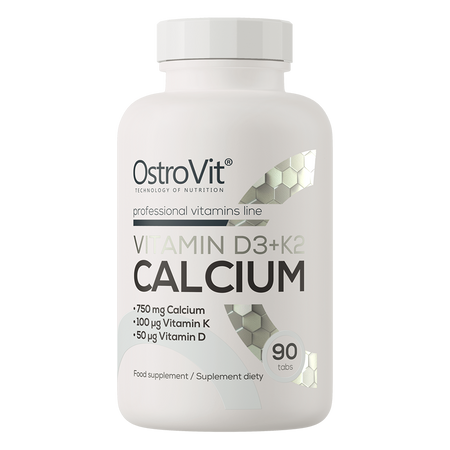
Vitamin D3 supports bones from an early age, as it plays a key role in the development and maturation of the musculoskeletal system.
Additionally, vitamin D can improve bone density, regulate calcium-phosphate metabolism, and influence the homeostasis of elements in the body.
 Bestseller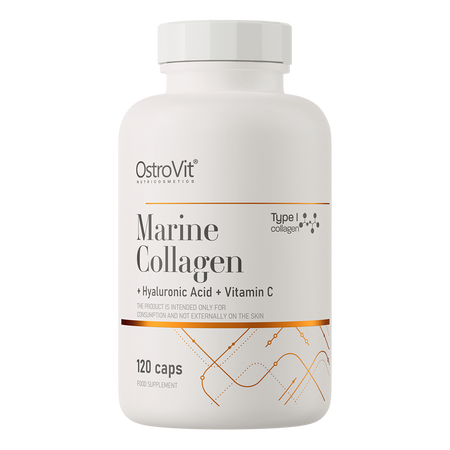
 New
New