Adaptogens
Adaptogens are plant-derived substances traditionally used to help the body better adapt to everyday stressors. In today’s fast-paced world, they are valued for their role in supporting balance, resilience, and overall well-being.
Modern life can place continuous demands on both the mind and body. Adaptogens are often incorporated into daily routines to promote a sense of calm and support the body’s natural ability to maintain balance during periods of increased stress. By complementing a healthy lifestyle, they can be a useful addition for those seeking greater harmony and quality of life.
What Are Adaptogens?
Adaptogens are plant-based ingredients traditionally used to support the body’s ability to adapt to everyday stress.
In other words, they are naturally derived compounds that are generally well tolerated and valued for their balancing properties, supporting overall mental and physical balance.
For a plant to be classified as an adaptogen, it must meet specific criteria:
- It is generally well tolerated, with no known toxic effects, addictive potential, or significant adverse reactions when used appropriately,
- It supports a non-specific response to stress, helping the body maintain performance during challenging conditions without overtaxing its natural energy reserves,
- It exhibits balancing properties, supporting the body’s ability to return to a state of natural equilibrium, often referred to as homeostasis.
How Adaptogens Interact with the Human Body
Adaptogens are commonly described as supporting the body’s nonspecific response to stress, partly through interaction with the hypothalamic-pituitary-adrenal (HPA) axis. Their bioactive compounds are thought to engage neuroendocrine pathways involved in maintaining balance within the body. Through these mechanisms, adaptogens are traditionally associated with supporting metabolic processes and overall well-being.
Depending on the specific plant compound, these substances may support functions related to the brain, nervous system, endocrine balance, and immune response as part of the body’s interconnected systems.
The benefits of adaptogens are commonly associated not only with support in managing everyday stress, but also with contributing to overall well-being and optimal daily functioning.
Adaptogens are traditionally associated with supporting memory, concentration, and overall cognitive performance. They are valued for their calming properties and for supporting the body’s natural defense mechanisms. Additionally, they are commonly linked to emotional balance, support for the body’s stress response, antioxidant activity, and long-term vitality. Adaptogens may also contribute to better sleep quality, healthy libido, physical endurance, and overall energy levels as part of a balanced lifestyle.
Adaptogens - Natural Stress Support
In nature, many plants exhibit adaptogenic properties and are traditionally valued for their role in supporting the balanced functioning of the body’s systems.
When used regularly, adaptogens are commonly associated with supporting overall physical condition and the body’s natural restorative processes. These effects are linked to their general mode of action, which focuses on supporting the maintenance of the body’s natural balance, known as homeostasis. By doing so, adaptogens are traditionally valued for contributing to daily vitality, resilience, and overall well-being.
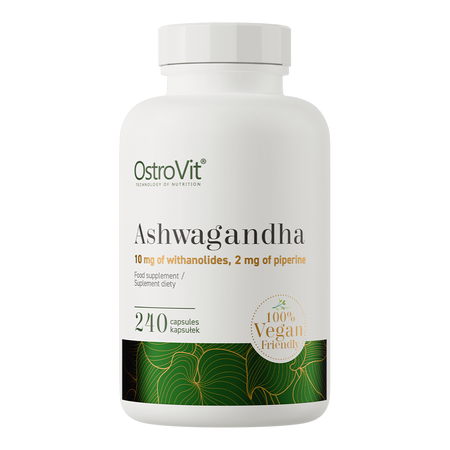
Ashwagandha
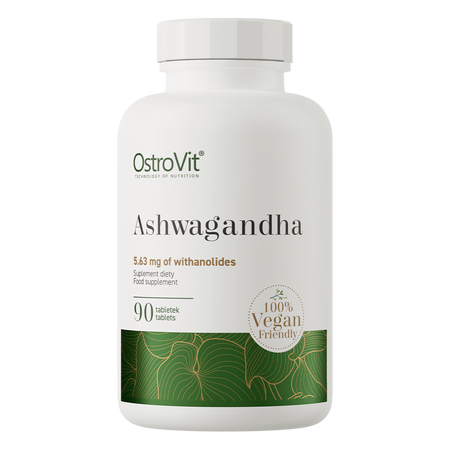
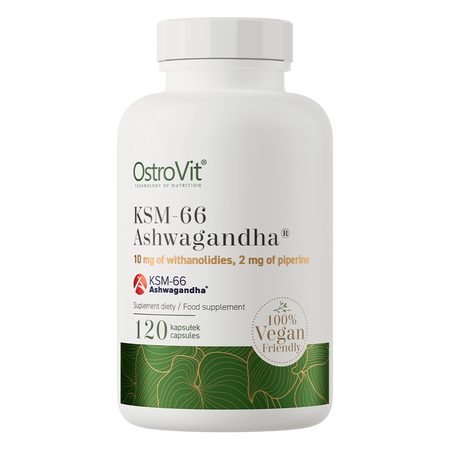
Ashwagandha, also known as Indian ginseng, is one of the most extensively studied and widely used adaptogenic plants. Its root contains a range of bioactive compounds that are traditionally valued for their adaptogenic properties and their role in supporting the body’s natural defense systems. Ashwagandha is commonly associated with supporting the body’s response to stress, promoting relaxation, and contributing to healthy sleep patterns, including improved sleep quality and ease of falling asleep.
Rhodiola Rosea - Mountain Rhodiola
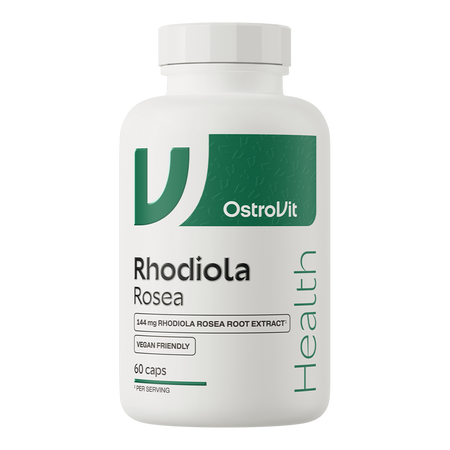
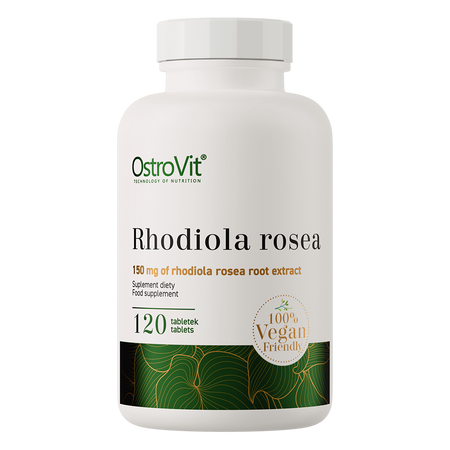
Rhodiola rosea is traditionally used to support the body during periods of physical and mental fatigue. It is commonly associated with supporting cognitive performance, including memory, concentration, reflexes, and other mental functions, as well as overall physical capacity. Rhodiola rosea is also valued for its role in supporting recovery and maintaining general vitality. Notably, its traditional use dates back centuries and is often linked to historical accounts of use by Viking cultures.
Ginseng
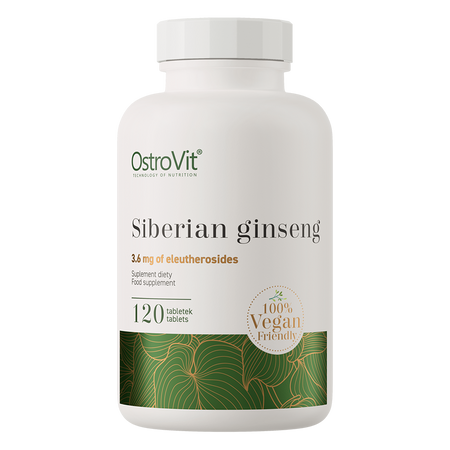
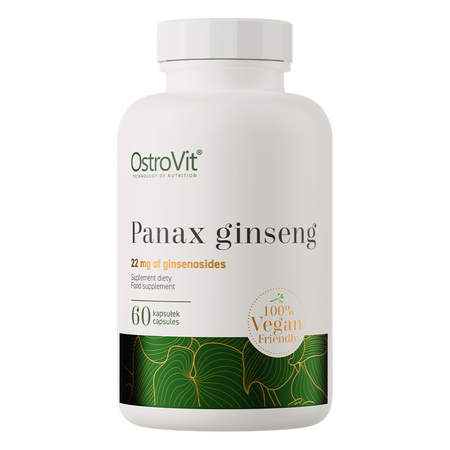
Ginseng is known for its broad, multidirectional activity. It is traditionally valued for its antioxidant properties and its role in supporting the body’s natural defense mechanisms. Ginseng is also commonly associated with supporting both physical and mental performance, contributing to vitality and sustained energy levels, as well as supporting healthy sexual function. Its use in traditional wellness practices dates back more than 4,000 years.
Schisandra Chinese
Schisandra chinensis is valued as a rich source of antioxidants and is therefore commonly used in formulations focused on supporting longevity and healthy aging. It is traditionally associated with supporting balance in neurotransmitter activity related to mood and overall well-being. In addition, Schisandra chinensis is often linked to supporting the body’s natural detoxification processes and promoting resilience during periods of increased stress.
Gotu Kola
Gotu kola, an Asian pennywort, is traditionally valued for supporting cognitive performance and the normal functioning of the nervous system. It is commonly associated with supporting the body’s natural defense mechanisms and overall restorative processes. Gotu kola is also linked to promoting vitality and supporting healthy circulations and nervous system function as part of a balanced lifestyle.
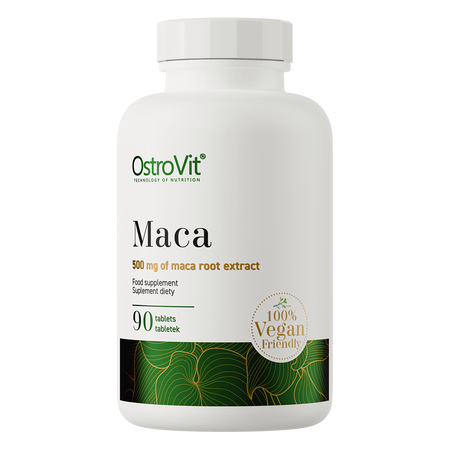
MACA - Peruvian Pepper
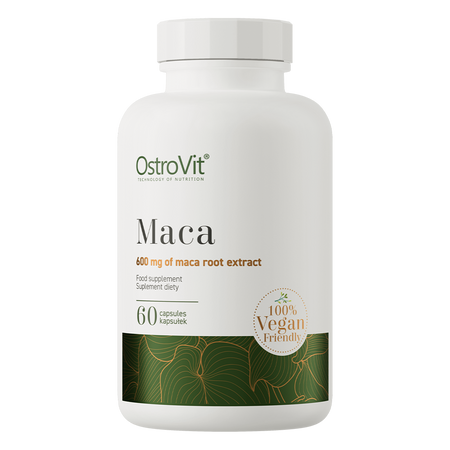
Maca, also known as Peruvian pepper, is traditionally valued for supporting hormonal balance and overall reproductive well-being in women. It is commonly associated with supporting comfort during the menstrual cycle and promoting regularity as part of a balanced lifestyle. Maca is also widely used to support well-being during the menopausal transition. In addition, its antioxidant compounds are linked to protection against oxidative stress, contributing to overall vitality and daily well-being.
Licorice
Another plant traditionally associated with adaptogenic properties is licorice root. It is valued for its antioxidant activity and its role in supporting the body’s natural defense mechanisms and long-term vitality. Licorice is also commonly linked to supporting skin health, promoting resilience during periods of stress, and contributing to overall well-being as part of a balanced lifestyle.
Who Can Benefit From Adaptogens?
Adaptogens are commonly chosen by individuals exposed to prolonged physical or mental demands. They may be particularly appealing to those experiencing ongoing fatigue, high workloads, or periods of reduced emotional balance, as well as to anyone seeking natural support for maintaining resilience and overall well-being as part of a balanced lifestyle.
Side Effects and Contraindications of Adaptogens
To date, available scientific research has not identified significant adverse effects associated with the use of adaptogens when used appropriately. In reported studies, plant-based preparations classified as adaptogens have generally been well tolerated, with no consistent or serious side effects observed.
As with any dietary supplement, adaptogens should be used responsibly and in accordance with the recommended dosage. Users are advised to follow the instructions provided on the product label. If there are any uncertainties regarding use, or if underlying health conditions are present, consultation with a qualified healthcare professional is recommended.
Adaptogens should not be used by individuals with known hypersensitivity or allergy to any of the ingredients contained in the product.
It should be noted that certain substances, such as ginseng, may be contraindicated in individuals with hypertension. Additionally, some adaptogens may interact with prescription medications; for example, licorice may potentiate the effects of thiazide and loop diuretics, leading to increased potassium loss and a potential risk of electrolyte deficiencies. Prior to initiating adaptogen supplementation, individuals are advised to review potential interactions with any other products or medications they are currently using and to consult a healthcare professional if necessary.
Adaptogens - The Power of Herbs and Plants
Adaptogens are herbal substances that are generally well tolerated by a broad range of individuals. They have a long history of use in traditional medicine and continue to be widely utilized today. Their potential benefits for the human body have been the subject of scientific research, with numerous studies exploring their properties and mechanisms of action.
In periods of reduced well-being or increased stress, consideration may be given to the use of natural substances traditionally associated with calming and supportive properties, rather than immediately resorting to potent synthetic medications.
Due to their broad range of applications, adaptogens are widely studied for their potential to support both physical and mental balance. They are commonly associated with helping the body adapt to stress and with supporting overall well-being, including processes at the cellular level. As a result, plant-derived substances are often considered a complementary option for addressing challenges associated with the demands of modern lifestyles.
 Bestseller