Detox Supplements
Detoxification is the process of removing toxins from the body. Recently, it has become a popular trend, often promoted by celebrities.
Although in medical literature the term "detox" refers to the discontinuation of stimulants, it is commonly understood in society as a method to improve well-being and eliminate accumulated, unnecessary substances from the body. So, what exactly is detox, and what are the benefits of using it?
What is Body Detox?
Detox is a method used to cleanse the body of toxins and excess metabolic byproducts that can contribute to fatigue, indigestion, and a feeling of heaviness.
Detox diets are typically short-term, lasting anywhere from 2 to 21 days.
Detox diets are extremely popular among those looking to quickly lose extra weight, as detoxification is often mistakenly referred to as a slimming diet. While detox can help reduce body weight, it is not a traditional weight-loss method.
Despite the widespread use of the term detox and detox diets, the concept of "toxin" remains undefined in this context. In conventional medicine, "toxins" typically refer to drugs and alcohol, and detoxification involves the withdrawal of these stimulants from the body.
When Should Detoxification Be Considered?
Long-term, persistent fatigue, lack of energy, apathy, weakness, and general malaise are symptoms that may indicate the need for detoxification. Other signs include skin issues, weakened hair and nails, headaches, and digestive problems, such as bloating and gas.
However, with such symptoms, it is also important to seek medical consultation, as they could be signs of various, sometimes serious, underlying health conditions.
Benefits of Detoxification
The benefits of detoxification include, above all, the removal of toxins and harmful substances from the body, which can help eliminate symptoms such as headaches, fatigue, apathy, and drowsiness.
A few days of detoxifying the body can help improve overall well-being and contribute to a feeling of lightness. Additionally, it can positively impact vitality and the body's homeostasis.
Detoxification can also help lower blood pressure, LDL cholesterol, and triglycerides, while potentially improving the absorption of vitamins and minerals in the body. Additionally, it can support liver function, boost the immune system, and promote a healthy digestive system.
A properly conducted detoxification process can also aid in the elimination of excess weight.
Methods of Body Detox
There are various methods for detoxifying the body, some of which are short-term, while others can be longer-lasting processes. However, it is always important to use common sense and pay attention to your well-being while undergoing detoxification.
Fasting Diet
One popular method of detoxification is fasting, which should only be undertaken by healthy individuals, and the duration of such a "diet" should not exceed two days.
Fasting involves completely abstaining from food intake. It is important to ensure that this practice does not weaken the body or have the opposite effect of what is intended. During this form of detox, it is crucial to drink plenty of water to help flush toxins from the body.
This is a risky form of detoxification that can lead to various nutrient deficiencies. If you choose this method, it's important to remember that it should only be a short-term solution.
Juice Detox
Another variation of the detox diet is the juice diet, which can be implemented in two different ways.
The first option involves consuming only fruit and vegetable juices for a period ranging from several days to two weeks. While this process can help remove toxins from the body, it may also deprive the body of many essential nutrients, making this form of detox not recommended.
The second option of the juice diet involves incorporating about 2 liters of fruit and vegetable juices into your daily diet, while still consuming solid foods (though it’s advisable to eliminate unhealthy processed foods, sweets, and fast food). This is a beneficial form of detoxification, as it eliminates heavy foods from your diet and provides a wealth of vitamins and minerals from fresh juices.
Low Energy Diet
A very low-energy diet involves consuming significantly fewer calories each day than our body requires.
A low-calorie diet can support detoxification and weight loss, as long as the reduction in calories is not excessive, and the body’s essential energy needs are met through food each day.
If we choose a diet that provides very few calories (similar to fasting), we may trigger a range of undesirable effects, such as weakness or depletion of essential nutrients. After the dietary restrictions end, the lost weight can quickly return, often resulting in a yo-yo effect.
Healthy Detox
The most recommended form of detoxification is to support the body in its natural, optimal functioning.
It is beneficial to eliminate unhealthy products from the diet, such as sweets, salty snacks, fast food, and highly processed foods. Instead, focus on avoiding fatty, hard-to-digest dishes and incorporating low-processed, nutritious, and easily digestible foods.
A great solution is a healthy, balanced diet rich in vegetables, fruits, whole grains, lean meats, fish, and milk and dairy products.
Additionally, it's beneficial to include foods that support metabolism and the function of the liver, kidneys, and intestines - organs responsible for detoxification processes in the body.
To care for your body and support it in the detox process, you should:
- Drink plenty of fluids (at least two liters of water per day), which is essential for proper metabolic processes and metabolism.
- Eat regularly - take small portions of meals at consistent intervals.
- Include in your diet products such as:
- Green tea, which positively affects metabolism.
- Dietary fiber, which supports the digestive system and improves intestinal peristalsis.
- Vegetables and fruits, particularly lemon, which supports liver function and helps fight body acidification; figs and beets, which benefit detoxification organs; and celery, which aids in removing unnecessary substances and deacidifying the body.
- Herbs such as purification herbs, dandelion, or herbal infusions, which support the digestive system, have diuretic effects, and help maintain a healthy intestinal flora.
- Silage, which provides probiotics that support the body and digestive system.
Remember to engage in physical activity and exercise regularly, as it stimulates metabolism. The sweat produced during exercise also helps remove unnecessary substances from the body.
Body Detox and Scientific Research
According to scientists, cleansing and detoxification processes naturally occur in our body through the proper functioning of organs such as the liver, intestines, and kidneys. Many restrictive detox diets, on the other hand, are considered marketing gimmicks and temporary trends.
The body is capable of eliminating toxins as quickly as they are produced. Therefore, the best approach to supporting the body is to maintain a balanced and healthy diet that does not disrupt the function of individual organs, but instead supports their activity. In cases where the antioxidant diet is not fully covered, dietary supplements can be used as additional support.
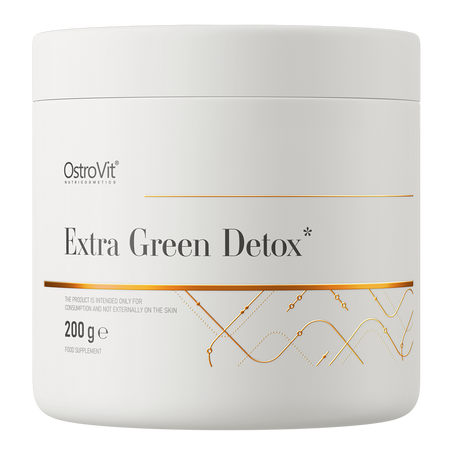
 Bestseller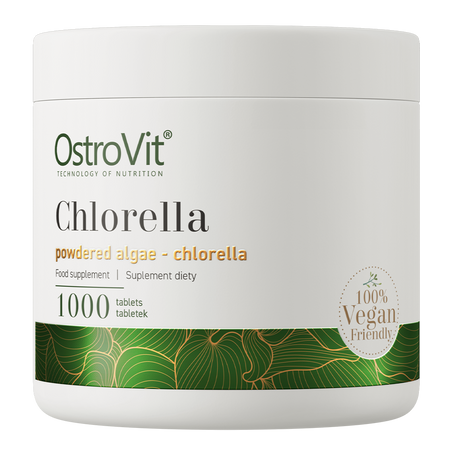
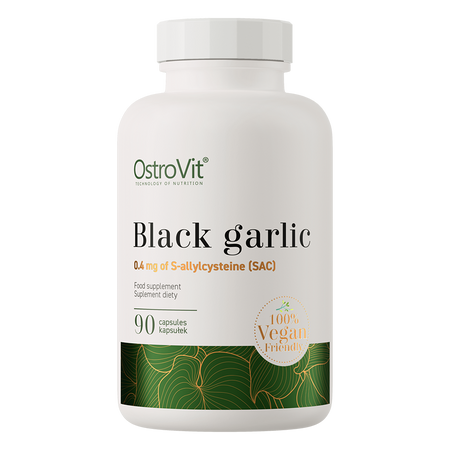
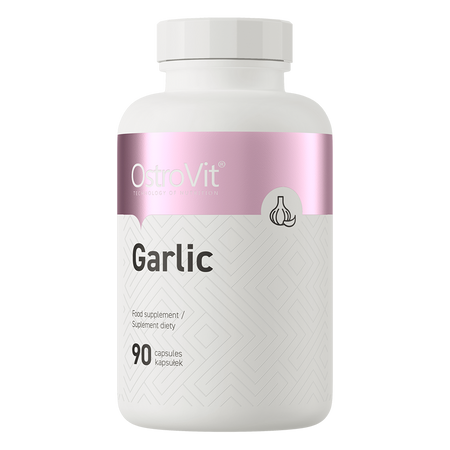

 New
New