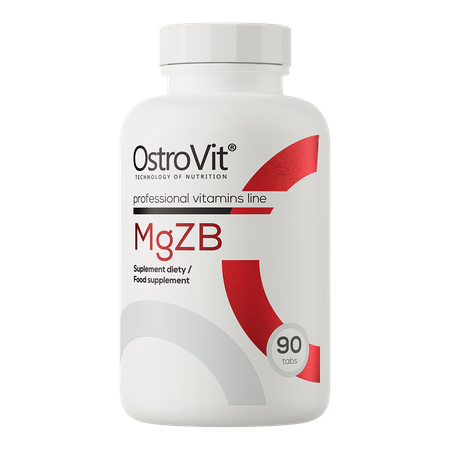
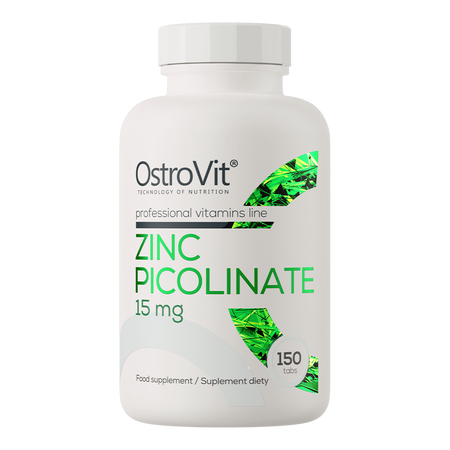
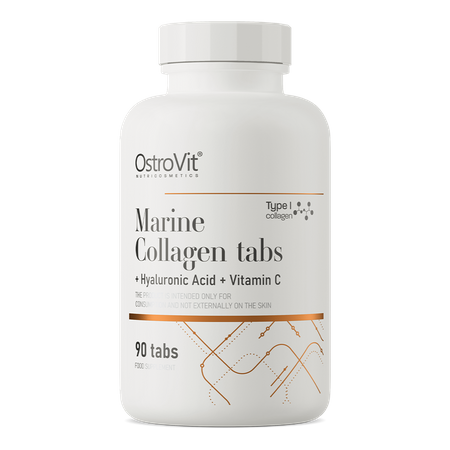
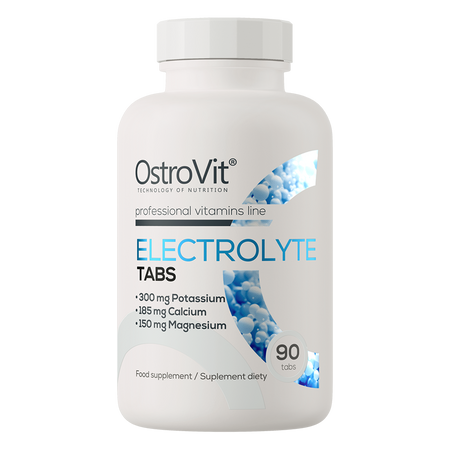
Diet Supplements
Diet supplements can be a valuable source of nutrients that support overall health and well-being. They are designed to complement a balanced daily diet and may help support normal body functions, especially during periods of increased nutritional demand.
However, it’s important to remember that dietary supplements should be used responsibly and in moderation. Taking supplements randomly can not be beneficial, while choosing products that address individual nutritional needs can be a sensible way to support overall body function and well-being.
What Are Dietary Supplements?
A dietary supplement is a concentrated source of valuable nutrients that may support normal body function.
According to the definition, a dietary supplement is a food product intended to supplement the daily diet. It may be a concentrated source of vitamins, minerals, or other substances with nutritional or physiological effects. Such products are sold in measured forms that allow for precise dosing, such as tablets, capsules, liquid ampoules, powder sachets, or dragees.
The maximum permitted levels of vitamins, minerals, and other substances with nutritional or physiological effect in dietary supplements must ensure that, when used according to the directions, the product is safe for consumer health.
The Difference Between Supplements and Medicines
Dietary supplements are intended to complement your daily diet and support overall wellness. They are not equal to medicines and are not designed to treat, cure, or prevent any medical conditions.
Medicines are products designed to support the treatment or prevention of specific health conditions. They undergo extensive testing and clinical trials to ensure their safety and effectiveness, and are continuously monitored for potential side effects even after reaching the market.
Supplements do not have medicinal properties. They are intended to complement the daily diet by providing vitamins, minerals, and other nutrients that support overall wellness and proper body function. While bringing dietary supplements to the market is less complex than medicines, their safety is carefully evaluated before they become available to consumers.
Types of Dietary Supplements: Synthetic, Natural, Plant based
Dietary supplements can be categorized by how their active ingredients are sourced:
- Synthetic: These are produced through chemical reactions in a laboratory setting. While they are chemically identical to their natural counterparts, they do not originate from a food source.
- Natural: These are extracted or concentrated from raw materials found in nature, such as plants, animals, or mineral deposits.
Supplements can also be categorized by their composition. Examples include:
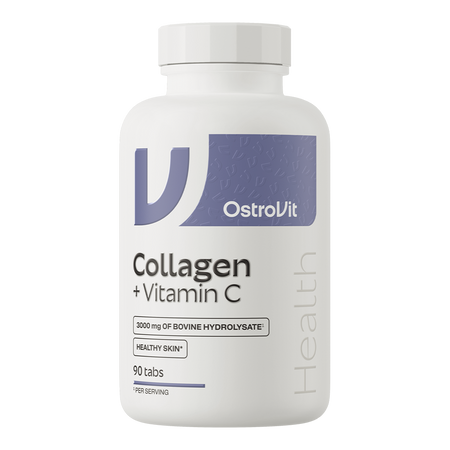
- Vitamin and mineral preparations for various every day needs, such as the ones that could help with skin (i.e. collagen), hormones, fertility,
- Products containing essential fatty acids our body needs every day,
- Products that provide dietary fiber to support gut health and digestive system,
- Products containing probiotics, enzymes, or amino acids.
Dietary supplements can also be grouped based on their intended support for specific body functions or systems. Examples include products made for supporting metabolism, memory and concentration, sports performance, hair and nail health, bone and joint support, or overall wellness and vitality.
When Can OstroVit Products Be Beneficial For Your Health?
A properly balanced and varied diet should provide the body with all the necessary macro- and micronutrients and support overall health and proper body function.
A regular diet may not always provide all essential nutrients. Including suitable dietary supplements in your daily routine can help support balanced nutrition and overall wellness.
Supplementation can be especially useful during periods of increased nutritional demand, such as for athletes engaging in intense physical activity, when regular diet alone may not provide all essential ingredients.
OstroVit products can be useful for people with specific dietary needs, such as vegetarians or vegans. Carefully chosen supplements can help support balanced nutrition, gut health and digestive system, fertility, hormones, skin, and overall wellness.
Supplements can be a helpful addition when it’s challenging to get all nutrients from diet alone. In certain situations, including a carefully chosen supplement may help support balanced nutrition and overall wellness.
What Do Dietary Supplements Do?
Dietary supplements can help complement the daily diet with valuable nutrients. They can support balanced nutrition by helping to fill nutrient gaps and contribute to overall wellness and proper body function.
Our products are not a substitute for a balanced and varied diet, but they can help provide essential nutrients when it’s difficult to get them from food alone.
Are Dietary Supplements Harmful?
Dietary supplements available on the market are carefully evaluated to ensure they are safe for consumption.
When used according to the manufacturer’s instructions, the carefully selected ingredients and their proportions are designed to be safe for health and support overall wellness.
Taking more than the recommended amount of a supplement may lead to unwanted effects, such as mild digestive discomfort. Following the instructions on the product packaging or leaflet helps ensure safe use and reduces the risk of such effects.
By choosing supplements that meet your needs and following the recommended usage, you can enjoy them safely and confidently.
How to Choose the Right Supplements?
Dietary supplements should be chosen to suit your individual needs. Their main role is to support overall wellness, which is why careful and informed use helps ensure you get the best results.
Therefore, before you find the right product and start taking it, we recommend to always get checked by a doctor and to perform medical tests.
When choosing a dietary supplement, it is important to review the product’s composition. High-quality supplements provide clear information about their active ingredients - whether it’s a complex of vitamins and minerals or a single nutrient - and avoid unnecessary artificial additives or fillers. Make your choice based on quality and nutritional value rather than advertisements or influencers.
Finding the Right Dietary Supplements for Your Needs
You need to know that choosing the right dietary supplement has to be personalized, taking into account your individual health and nutritional needs. A woman suffering from PCOS or menopause has different needs than a man who exercise every day.
Certain nutrient deficiencies are more common in specific groups of people. The categories listed below can serve as a helpful guide to choosing supplements that may support balanced nutrition.
Dietary Supplements for Men
A well balanced diet is crucial, as it is the main source of essential nutrients. However, men who follow a limited or less varied diet may not always get all the substances they need.
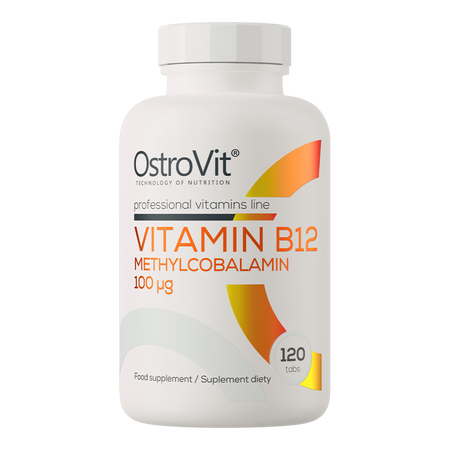
Today’s fast-paced lifestyle and daily demands can make it challenging for men to get all the nutrients they need. This may lead to lower intake of certain vitamins and minerals, such as vitamin D3, B vitamins, vitamin E, zinc, selenium, or boron.
Dietary Supplements for Women
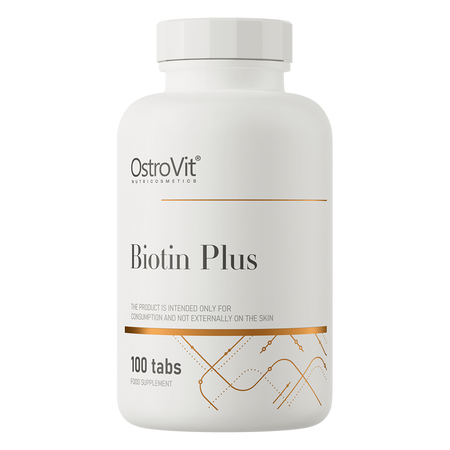
Many women choose dietary supplements to support beauty and wellness, often selecting products containing ingredients like zinc, copper, vitamin C, vitamin E, biotin, hyaluronic acid, or collagen.
Additionally, some women may benefit from supplements that provide nutrients like iodine, selenium, iron, vitamin D3, or B vitamins to support overall wellness and proper nutritional balance.
Dietary Supplements for Older Adults
As we age, maintaining proper nutrition becomes especially important. Older adults may choose dietary supplements that provide nutrients such as:
- vitamin A,
- zinc,
- vitamin D3,
- vitamin C,
- vitamin K,
- calcium,
- lecithin,
- collagen,
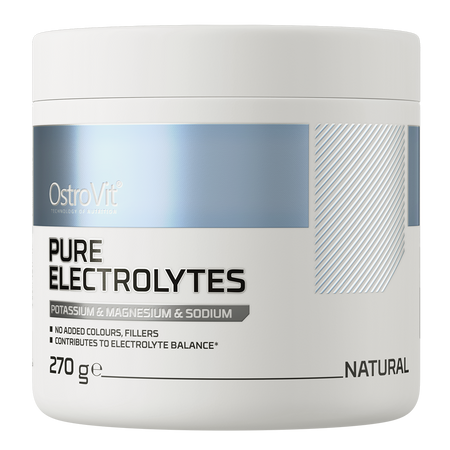
- magnesium.
These supplements can help support overall wellness, proper body function, and a balanced diet.
Dietary Supplements for Athletes
Athletes often have higher nutritional needs due to increased physical activity. Active lifestyles can lead to greater nutrient requirements, making it important to pay attention to intake of B vitamins, vitamin D3, magnesium, collagen, and vitamins C and E.
Dietary Supplements to Support Weight Loss and Gut Health
Weight management should begin with a balanced and nutrient-rich diet tailored to your body’s needs. Dietary supplements can complement this process, but it’s important to choose them based on individual nutritional requirements. Supplements work best when combined with a proper diet and regular physical activity.
Some ingredients commonly included in weight management supplements are chromium, dietary fiber, linoleic acid, green tea extract, and capsaicin.
Dietary Supplements Could Help Joint Health
A healthy musculoskeletal system is essential for movement and everyday activities. As we age, maintaining bone and joint health becomes increasingly important. Dietary supplements can help support overall musculoskeletal wellness as part of a balanced lifestyle.
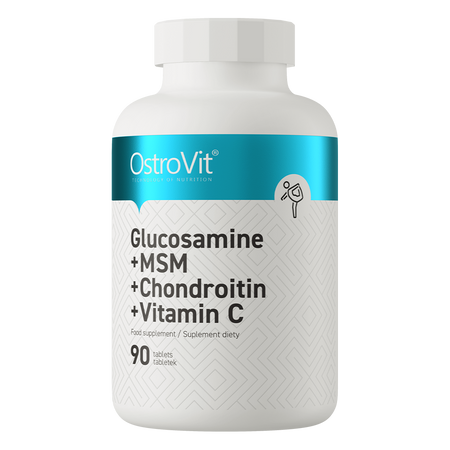
Common ingredients found in supplements that support bone and joint wellness include collagen, hyaluronic acid, chondroitin, organic sulfur, and glucosamine.
Dietary Supplements for Daily Wellness Support
Dietary supplements are not a substitute for a healthy, balanced diet. However, they can help support overall wellness by complementing your nutrient intake, especially during periods of higher nutritional needs or when certain nutrients are harder to obtain from food alone.
Vitamin supplements should be chosen carefully to match individual needs. Properly selected supplementation can support overall wellness and contribute to a sense of well-being.
 Bestseller
 New
New