Antioxidants
Antioxidants may provide a range of potential benefits due to their biological activity in the human body. They are naturally present in fruits and vegetables and can also be found in sources such as red wine and dietary supplements. When incorporated into a balanced diet, antioxidants are commonly used to support overall wellness and help protect cells from oxidative stress.
Antioxidants are widely recognized for their role in neutralizing free radicals and reducing oxidative stress, thereby protecting the body’s cells from damage. Their intake is often linked to overall health support and may contribute to maintaining long-term wellness.
Antioxidants - What Are They?
Antioxidants are a group of chemical compounds that help inhibit or slow oxidative processes in the human body. Their primary role is to neutralize free radicals and support cellular protection against oxidative stress.
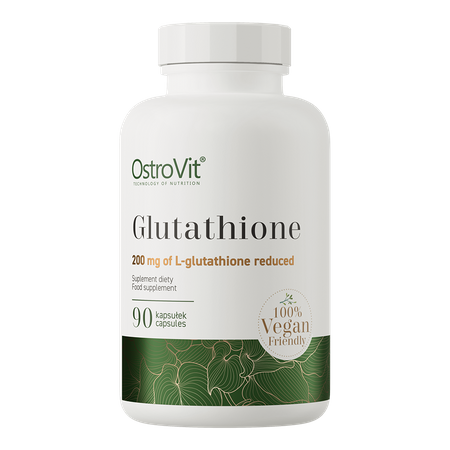
- endogenous, which occur naturally in human body (e.g. glutathione, synthesized in cells by vitamin C),
- exogenous, which must be supplied to the body with food or as a dietary supplement, e.g. beta-carotene or lutein.
What Are Free Radicals And Oxidative Stress?
How can antioxidants neutralize free radicals, and what exactly are antioxidants?
From a chemical perspective, free radicals are atoms, ions, or molecules that contain at least one unpaired electron. In an effort to stabilize themselves by gaining or donating an electron, they are highly reactive. As a result, free radicals may interact with and damage other cells in the body through oxidative processes.
Free radicals can be harmful to the human body because they may interact with proteins and unsaturated fatty acids, which are essential components of cell membranes and DNA. Such interactions can contribute to oxidative damage at the cellular level.
Where do free radicals come from? These molecules can be formed as a result of:
- environmental pollution,
- using an unhealthy diet,
- inappropriate lifestyle,
- harmful radiation,
- lack of sleep,
- numerous metabolic reactions,
- smoking.
The occurrence of adverse effects associated with free radicals is typically linked to their excessive accumulation in the body.
The crucial role of antioxidants is to donate a missing electron to free radicals, which results in the neutralization of these molecules.
And How Does Oxidative Stress Relate to This Process?
When free radicals are excessively present in the human body, antioxidants may not be able to neutralize them efficiently. As a result, oxidative stress may occur, defined as an imbalance between reactive oxygen species and the body’s ability to detoxify potentially harmful compounds. Oxidative stress is commonly associated with long-term health challenges and is also linked to processes related to aging.
Sources of Antioxidants in the Diet
Fortunately, antioxidants are compounds that occur naturally in many foods. By following a healthy and balanced diet, the body can be supplied with a variety of valuable nutrients.
Antioxidants are found in food products such as:
- vegetables,
- fruit,
- milk and dairy products,
- wholemeal cereal products,
- nuts and seeds,
- dry legume seeds,
- cereal sprouts,
- red wine,
- green tea,
- eggs,
- fish.
In situations where the body’s demand for antioxidants may be increased, such as during prolonged stress or periods of intense physical activity, it may be worth considering taking dietary supplements that contain antioxidants. These products are commonly used to help support the body’s natural defenses against oxidative stress and to complement a balanced diet.
Why Are Antioxidants Important?
Providing the body with an adequate intake of antioxidants can help support normal immune function and contribute to the body’s natural defense mechanisms. Antioxidants are also commonly associated with processes related to healthy aging.
In addition, a regular supply of antioxidants can support health and beauty, as well as reduce the risk of developing many serious diseases.
Antioxidants are primarily known for neutralizing free radicals, and they may also support the body’s natural cellular maintenance processes. Some antioxidants are additionally studied for their role in supporting normal inflammatory balance.
The Most Popular and Potent Antioxidants
Many of the compounds supplied to the body through food may exhibit antioxidant activity. Ongoing exposure to environmental stressors, psychological stress, and air pollution can increase oxidative challenges, making dietary sources of antioxidants an important part of everyday nutrition. Commonly recognized antioxidants include:
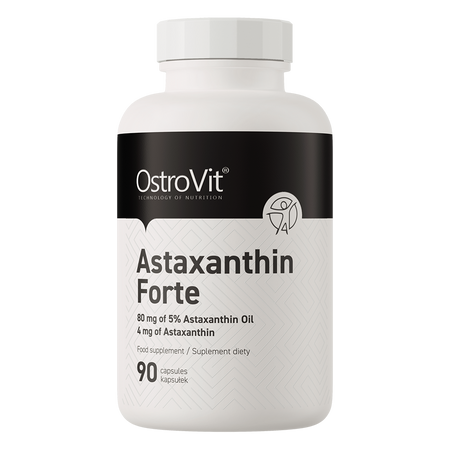
- Astaxanthin is a naturally occurring organic compound belonging to the xanthophyll group of carotenoids. Its antioxidant activity is often described as significantly higher than that of beta-carotene and notably stronger than that of vitamins C and E. The primary natural source of astaxanthin is the marine microalga Haematococcus pluvialis. Astaxanthin can help neutralize free radicals, slow the formation of reactive oxygen species, and support the protection of cells from oxidative damage.
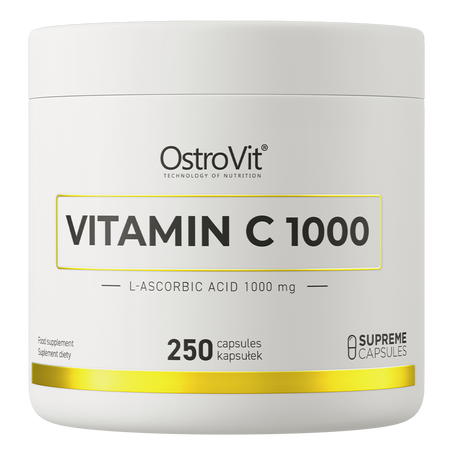
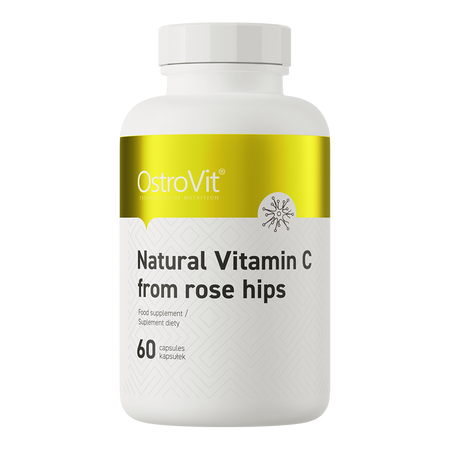
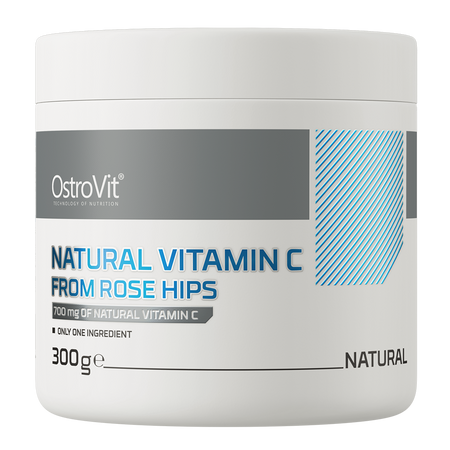
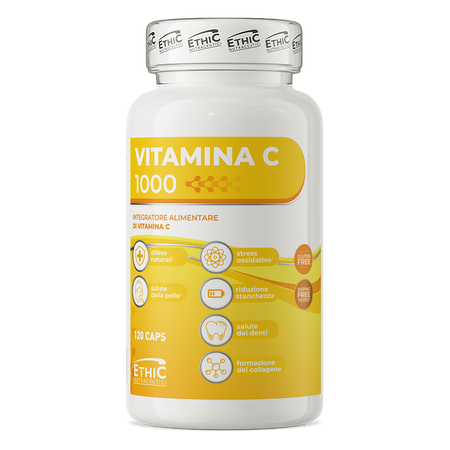
- Vitamin C can help support normal immune function and is commonly associated with maintaining a healthy complexion and skin tone. In addition, it plays a role in collagen synthesis and is widely recognized for its involvement in processes related to healthy aging.
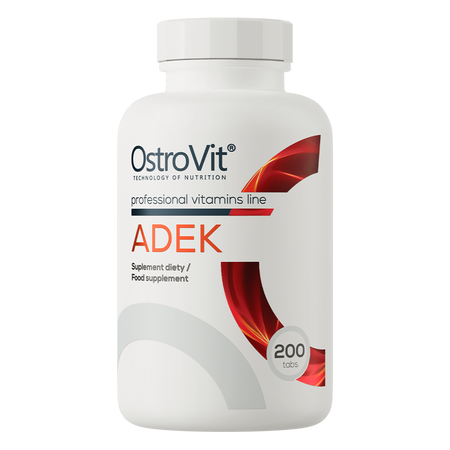
- Vitamin A can help support normal skin condition and plays a role in maintaining proper vision. In addition, it contributes to normal immune function and acts as an antioxidant, helping to neutralize free radicals and support the body’s defense against oxidative stress.
- Vitamin E is widely recognized as an important dietary antioxidant and is often associated with processes related to healthy aging. An insufficient intake of vitamin E may be linked to increased oxidative stress in the body. In addition to its antioxidant activity, vitamin E contributes to normal immune function and supports proper metabolic processes as part of a balanced diet.
- Selenium plays a role in supporting normal immune function and is involved in the proper functioning of immune cells, including T and B lymphocytes and macrophages. In addition, selenium contributes to the protection of cells from oxidative stress as part of the body’s antioxidant defense system.
- Zinc plays a role in helping protect cells from oxidative stress and contributes to normal metabolic and physiological functions. It is involved in processes related to insulin synthesis and supports the proper functioning of the cardiovascular system. In addition, zinc participates in the body’s natural mechanisms for managing exposure to certain heavy metals.
- Lutein helps support normal vision and contributes to the protection of the retina from oxidative stress caused by free radicals. It plays a role in limiting oxidative activity and supports the body’s natural processes for managing free radicals.
- Resveratrol is one of the strongest known antioxidants and is found, among others, in grapes and red wine. It is commonly associated with the so-called French paradox. Resveratrol is studied for its antioxidant activity and its role in supporting normal inflammatory balance and healthy blood circulation.
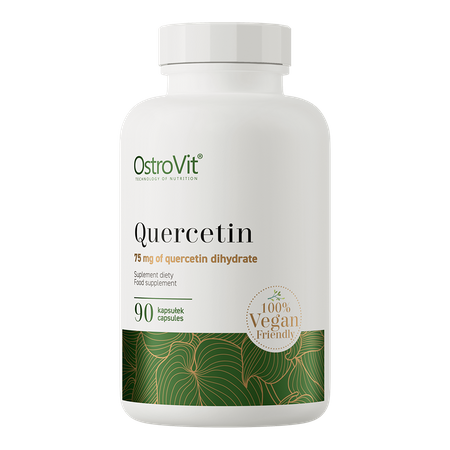
- Quercetin is a natural pigment belonging to the flavonoid group. In addition to its antioxidant activity, it is studied for its role in supporting normal inflammatory balance and the body’s natural defense mechanisms.
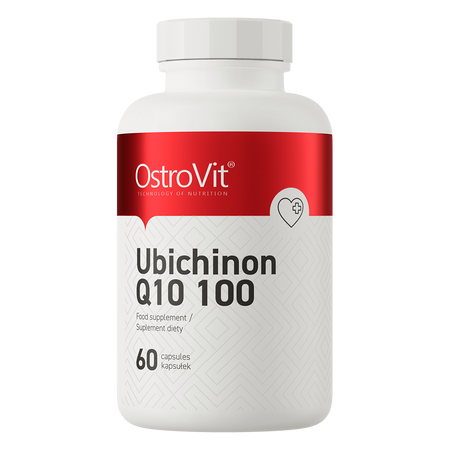
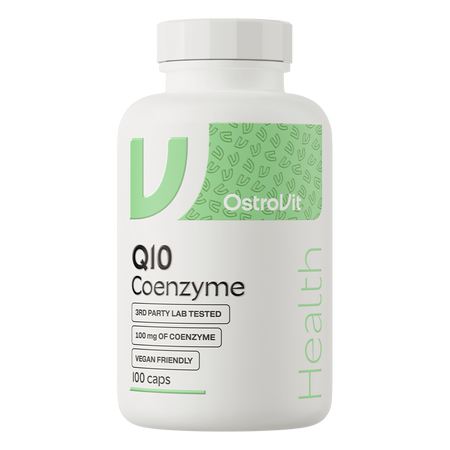
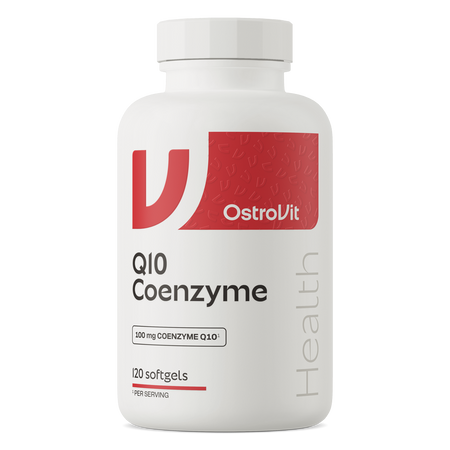
- Coenzyme Q10, also known as ubiquinone, is a vitamin-like compound that participates in metabolic processes essential for normal cellular function. Coenzyme Q10 is commonly used in cosmetics to help protect the skin from the effects of environmental stressors. In addition, it acts as an antioxidant, supporting the neutralization of free radicals and the body’s natural defense against oxidative stress.
 Bestseller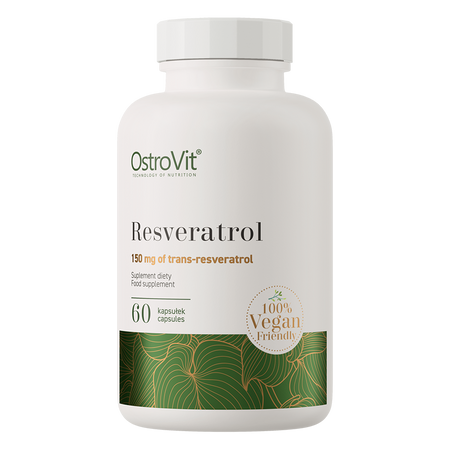
 New
New