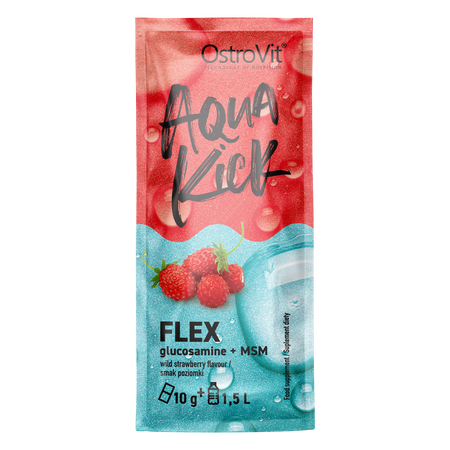
Joint complex
Joint complex
Comprehensive joint supplements are highly beneficial, positively affecting the overall function of the musculoskeletal system. When combined with a balanced diet and regular physical activity, these substances can have a beneficial impact on the body, helping to reduce pain and improve well-being.
What Are Joints?
Joints are part of the human musculoskeletal system. They are movable synovial joints located between bones.
Each joint consists of a joint surface, a joint capsule, and an articular cavity. The structure and mobility of joints can vary.
They are responsible for maintaining proper posture and enabling movement, which is why they are found throughout the human body.
During movement, friction occurs in the joints, which is why the bone's joint surface is covered with cartilage that is resistant to this wear.
Types of Joints
Joints are classified based on the number of axes around which they move and the shapes of their articular surfaces:
- Single-axis joints: such as hinge, rotary, or screw joints.
- Two-axis joints: such as condylar and saddle joints.
- Multi-axis joints: such as ball-and-socket joints.
They can also be classified by the number of articular surfaces:
- Simple joints: formed by two bones, e.g., the hip joint.
- Complex joints: formed by more than two bones, e.g., the temporomandibular joint.
Functions of Joints
Joints are part of the musculoskeletal system; they allow movement while also providing support and structure for the muscles. Thanks to joints, we are able to perform movements such as bending, straightening, turning, rotating, lifting, and twisting.
Joint Pain: What Is the Cause?
Joint pain can have many causes. It is most often caused by insufficient synovial fluid, also known as joint fluid, which helps reduce friction between joint surfaces during movement.
Joint pain can also result from a lack of antioxidants and inflammation in the body.
Pain is often caused by conditions such as rheumatic or degenerative diseases. Excessive body weight can also contribute to overload, leading to pain.
In addition, joint pain can result from injuries such as fractures or sprains, as well as from staying in one position for too long, which can overload the joint.
Active individuals are particularly vulnerable to injuries within the musculoskeletal system, and even minor damage to articular cartilage can often hinder daily functioning.
How to Care for Your Joints?
As we age, our mobility decreases, and improper diet and lack of physical activity also contribute to the deterioration of joint health.
To care for your joints, it's important to pay attention to:
- The right level of physical activity: Always remember to warm up properly before exercising. It is also important to engage in regular sports and allow for adequate recovery between workouts.
- A balanced, healthy diet: Include foods rich in vitamins C and vitamins D3, fatty acids, and ingredients like collagen in your daily diet. A varied diet that provides the body with many essential nutrients can help increase the strength and flexibility of the joints.
- Avoiding overload: Pay attention to your posture and the repetition of movements. It’s important to lift weights correctly and prioritize ergonomics. Remember to take breaks during exercise to prevent strain.
- Normal body weight: Overweight and obesity put excess strain on joints and bones, contributing to the development of many serious conditions. By maintaining a healthy weight, you also protect your joints.
Beneficial Ingredients for Joints
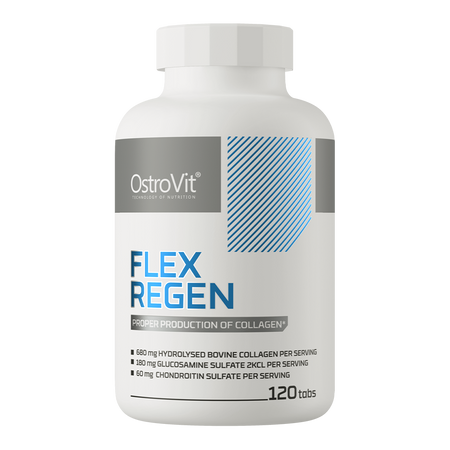
Many active substances benefit the musculoskeletal system and, by extension, the joints. The most commonly used ingredients in joint support supplements include collagen, hyaluronic acid, chondroitin, and glucosamine.
Collagen
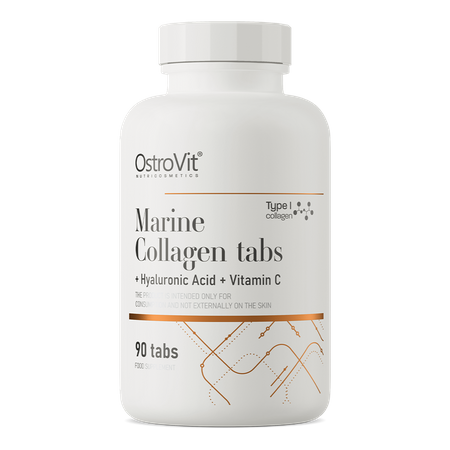
Collagen is a protein that naturally occurs in connective tissue and is a key building block of joint cartilage. Since the loss of collagen is a natural part of the aging process, supplementation with collagen can help maintain joint health and mobility. Collagen not only supports joint structure and flexibility but also plays a role in producing the right amount of synovial fluid.
Marine collagen in powder, derived from marine fish, is especially recommended in supplementation because its chemical structure closely resembles that of human collagen. Collagen hydrolysate is also commonly used due to its high bioavailability. Both type I and type II collagen hydrolysates are available on the market.
Hyaluronic Acid
Hyaluronic acid is a glycosaminoglycan, a type of polysaccharide, that occurs naturally in the human body and is a key component of synovial fluid. Its production decreases with age. Hyaluronic acid nourishes the articular cartilage and protects it from excessive strain and friction.
Chondroitin
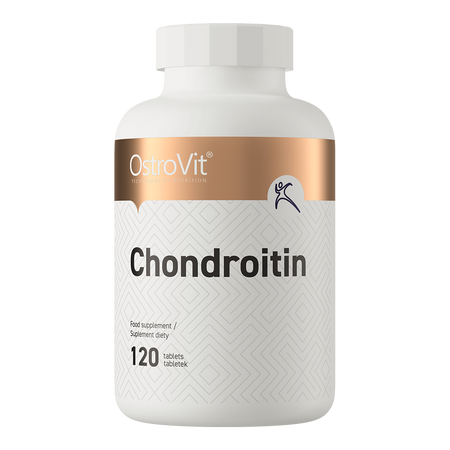
Chondroitin is an organic compound from the group of glycosaminoglycans. It is a key component of articular cartilage that helps protect joints from excessive friction. As a result, it enhances the strength and flexibility of the joints.
Glucosamine
Glucosamine is an amino sugar that is naturally synthesized from glucose. It serves as a substrate for the biosynthesis of proteoglycans, which are components of articular cartilage. Glucosamine is available in two forms: glucosamine hydrochloride and glucosamine sulfate. The latter is known for its better absorption profile in the gastrointestinal tract, making it a more favorable version of the compound.
Vitamin C
Ascorbic acid is essential for collagen production, which makes vitamin C beneficial for the health of joints, bones, and skin. It plays a key role in various processes in the body, including maintaining the proper condition of connective tissue and helping to reduce inflammation.
Supplementation with single substances or a comprehensive set of ingredients?
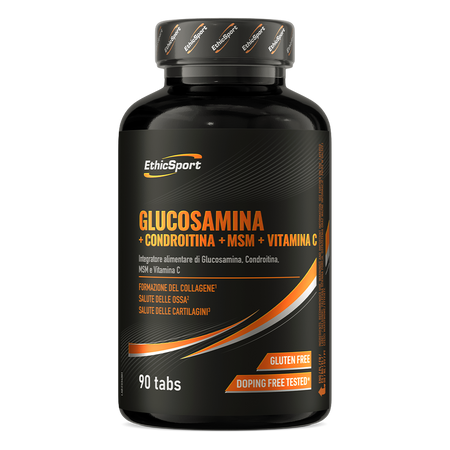
The ingredients mentioned above are often used individually to support the musculoskeletal system, but when combined, they form effective, comprehensive joint supplements. The combination of glucosamine, hyaluronic acid, collagen, chondroitin, and vitamin C creates a unique blend that has a detailed and holistic effect on joint health, supporting their proper functioning.
Complex Joint Preparations: Who Should Use Them?
Comprehensive joint preparations are especially recommended for physically active individuals and athletes who are prone to mechanical damage and joint strain due to intense training and exertion.
Joint-supporting dietary supplements are also recommended for older adults who want to maintain mobility. These products can help support joint health, reduce pain, and improve movement, positively impacting the overall condition and well-being of seniors.
Individuals with excessive body weight or obesity should also consider additional supplementation, as joint preparations can help reduce pain and support joint health.
Comprehensive joint preparations can also benefit individuals who engage in strenuous physical work or suffer from conditions like rheumatoid arthritis.
It’s important to ensure an adequate supply of ingredients necessary for the proper functioning of the joints in order to maintain good health and full freedom of movement.
However, it’s important to remember that a dietary supplement will only have a positive effect on the body if taken regularly and in accordance with the manufacturer’s instructions on the product packaging.
It is always recommended to consult a doctor before starting any joint supplements.
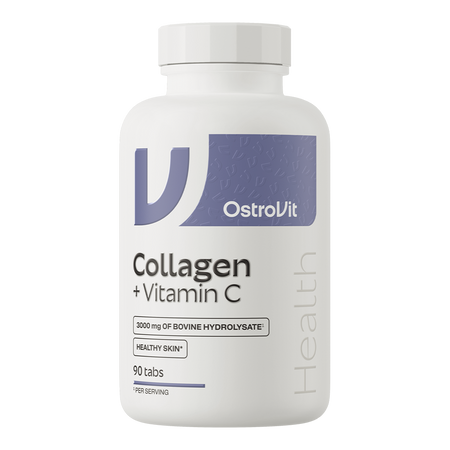
 Bestseller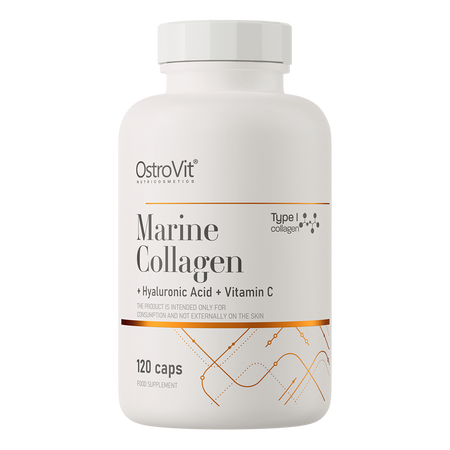
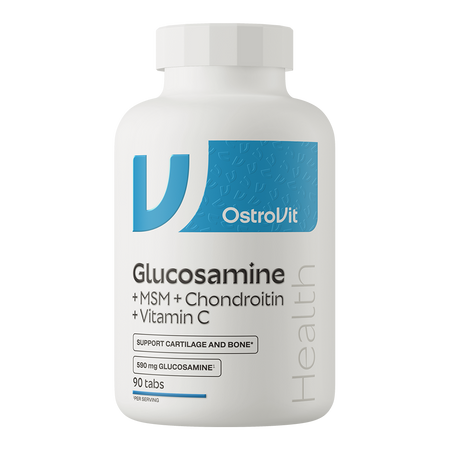
 New
New