

Is pea protein a good alternative to animal-based proteins?
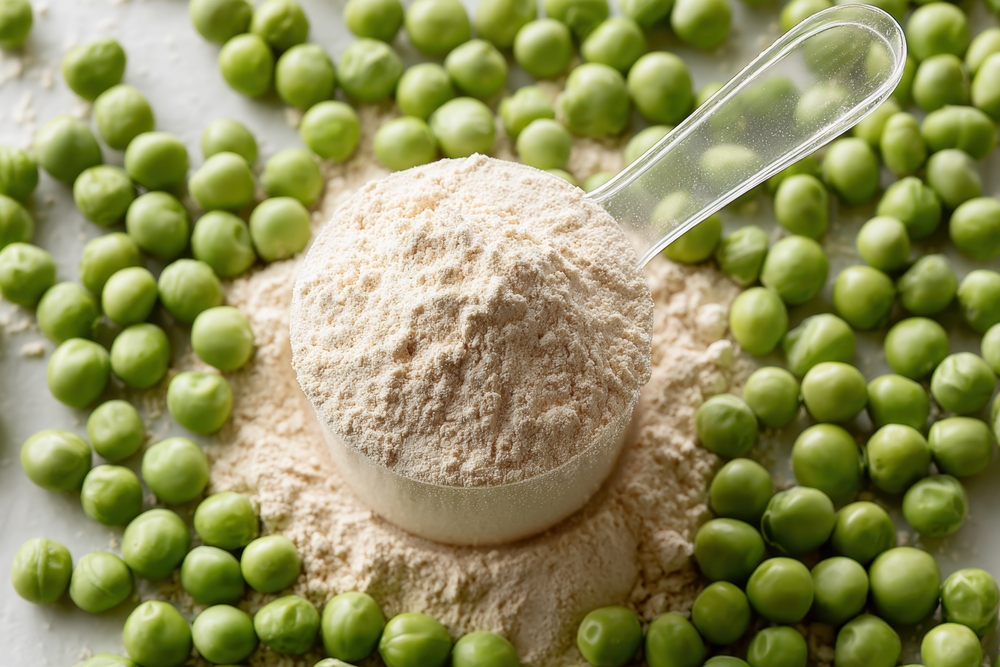

Plant-based pea protein is increasingly appearing in the kitchens of active individuals, vegans, vegetarians, and anyone looking to balance their daily diet with a healthy lifestyle. Perhaps you're also wondering whether pea protein can truly match animal-derived proteins in terms of nutritional value, digestibility, and muscle-building potential. What makes this plant-based ingredient stand out? What is pea protein and what are its properties? Can it really be a valuable and sustainable source of protein?
Table of contents
What is pea protein and how is it produced?
Pea protein is a high-protein powder obtained from yellow peas (Pisum sativum) – one of the most nutritious legumes. The plant originates from the Caucasus and Western Asia, but is also found in North Africa and Southern Europe. It is cultivated in many regions of the world.
To obtain pea protein isolate or protein concentrate, peas undergo several technological stages. First, they are cleaned and ground, and then, through processes such as extraction, pressing, isolation or hydrolysis, the protein fraction is separated from carbohydrates, starch and fibre. Finally, the raw material undergoes spray drying, which produces a light and easily soluble powder.
In modern plants, processing food of this type usually also includes checking the purity of the raw material and laboratory tests, and the best manufacturers offer vegan certificates, organic products and a GMO-free option. This makes pea protein one of the most environmentally friendly and safe plant-based sources of protein.
Composition and nutritional properties of pea protein
What distinguishes pea protein is its almost complete amino acid profile. It is rich in lysine, arginine and BCAAs, i.e. amino acids that are particularly important for muscle regeneration. Although it is an incomplete protein compared to animal proteins (it has less methionine), it is still considered one of the best plant proteins. Its high biological value and good digestibility mean that the body can effectively use it to build muscle mass.
Pea protein also contains:
- vitamin E, which has antioxidant properties
- small amounts of Omega-3 and Omega-6
- elements such as magnesium, iron, zinc and phosphorus
- plant phytosterols, which support the circulatory system
Although the calorie content of the powder is similar to that of typical protein supplements, its satiating effect is noticeably greater, which helps control appetite and weight loss.
The use of pea protein in diet and supplementation
If you are physically active, do strength training or simply care about a healthy lifestyle, pea protein can become your natural ally. As a dietary supplement, it works well in vegetarian and vegan diets, where it is difficult to provide the right amount of complete protein.
Pea protein isolate is a great addition to:
- protein shakes and smoothies
- sauces and baked goods
- high-protein diet baked goods
- post-workout recovery meals
Regular consumption has a beneficial effect on muscle regeneration, metabolism and satiety. As a protein supplement, it has a neutral effect on the glycaemic index of a meal, so you can also use it if you have insulin resistance or are trying to lose weight. For athletes, it is a convenient, easily digestible source of protein with low allergenicity.
Side effects and safety of use
Although pea protein is considered hypoallergenic, it is worth remembering that some people may experience bloating or mild digestive problems, especially with a sudden change in diet or legume intolerance. Excess protein in the diet, regardless of the source, can put a strain on the digestive system, so it is always a good idea to pay attention to the amount of this macronutrient in your diet and carefully observe your body's reactions.
Potential problems that may arise:
- bloating and discomfort
- isolated cases of legume allergy
- intestinal reactions (with poor quality raw materials)
It is best to choose tested products with high quality standards, especially if you care about the purity of the raw material and the absence of contaminants. High-quality isolates are usually well tolerated, even by people with lactose or gluten intolerance.
Pea protein vs other protein sources
When comparing pea protein to other popular sources, there are clear differences. Whey protein remains the gold standard for athletes, especially in terms of absorption rate and leucine. Soy protein is complete, but can be controversial due to allergies and GMO modifications. Hemp and rice proteins, on the other hand, are easy to digest but have a less favourable amino acid profile.
If you are looking for a plant-based alternative that supports muscle building, satiety and recovery, pea protein has several strong advantages:
- it is natural, lactose-free and gluten-free
- it can be certified organic and GMO-free
- it is suitable for vegans and vegetarians
- it has a lower environmental footprint than animal proteins
In practice, it is often best to combine several plant-based sources of protein, such as peas, soybeans and rice. This way, you can obtain more complete proteins with an even better amino acid profile.
Does pea protein powder really match animal proteins?
Pea protein is a really solid vegan alternative to animal proteins. It provides amino acids, supports muscle regeneration and growth, and is easy on the digestive system and environmentally friendly. If you care about a balanced diet, conscious choices and practical supplements, pea protein isolate may be exactly what you need.
Bibliography