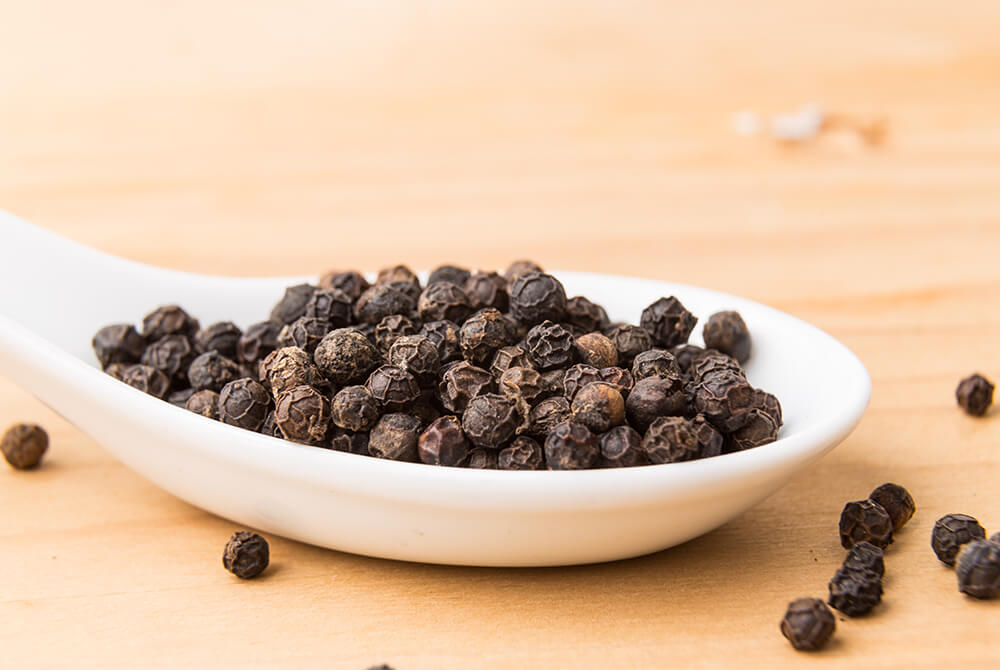
Piperine is the main active substance derived from black pepper. It determines the pepper's characteristic spicy-bitter taste. How does piperine affect health? Who may it help?
Lutein is a carotenoid known as the vitamin for the eyes. Although lutein is not a vitamin, proper vision and eye health are impossible without it. How does lutein affect vision?
Tyrosine is an amino acid - one of the 20 basic building blocks of proteins. The role of tyrosine in the body is participation in the production of certain hormones and neurotransmitters.
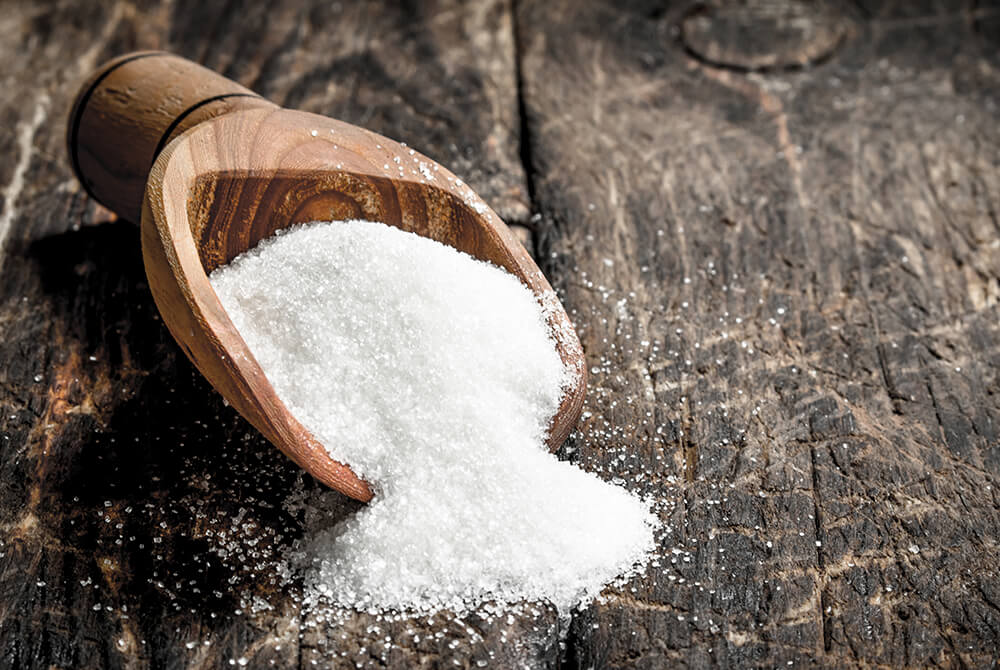
Maltodextrin is a substance of natural origin, derived from corn or potato starch. The technological properties of maltodextrin are very wide. It can be found in the ingredients of many food products.
Astaxanthin is a carotenoid with a pink-orange colour. In food, it can be found mainly in shellfish, salmon or rainbow trout. What effect does astaxanthin have?
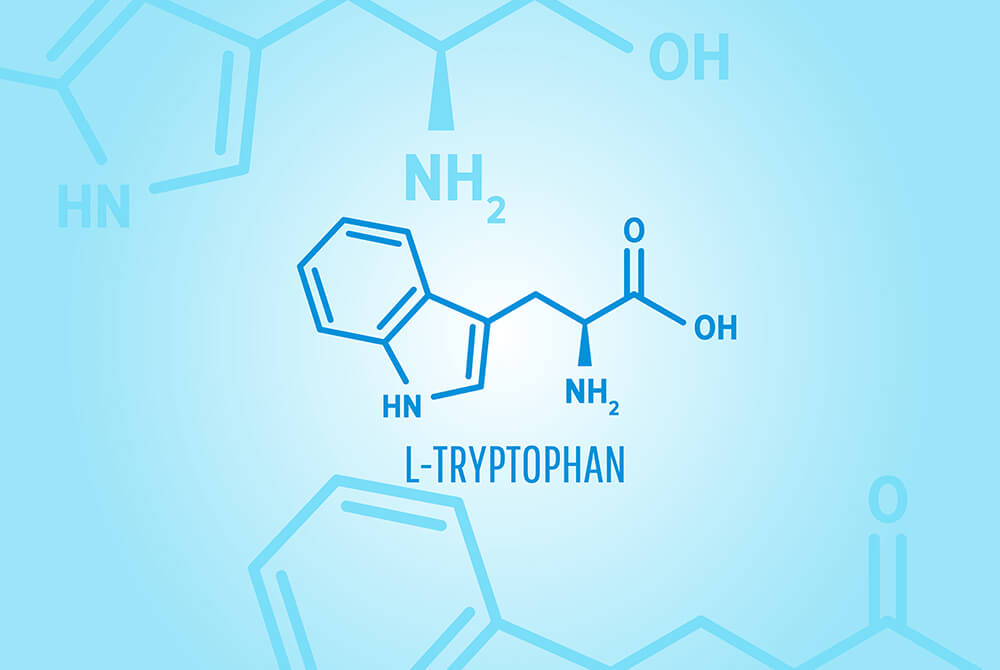
Tryptophan (L-tryptophan) is an essential amino acid that must be supplied to the body with the diet. The most important neurotransmitters and neurohormones in the brain are formed from tryptophan.
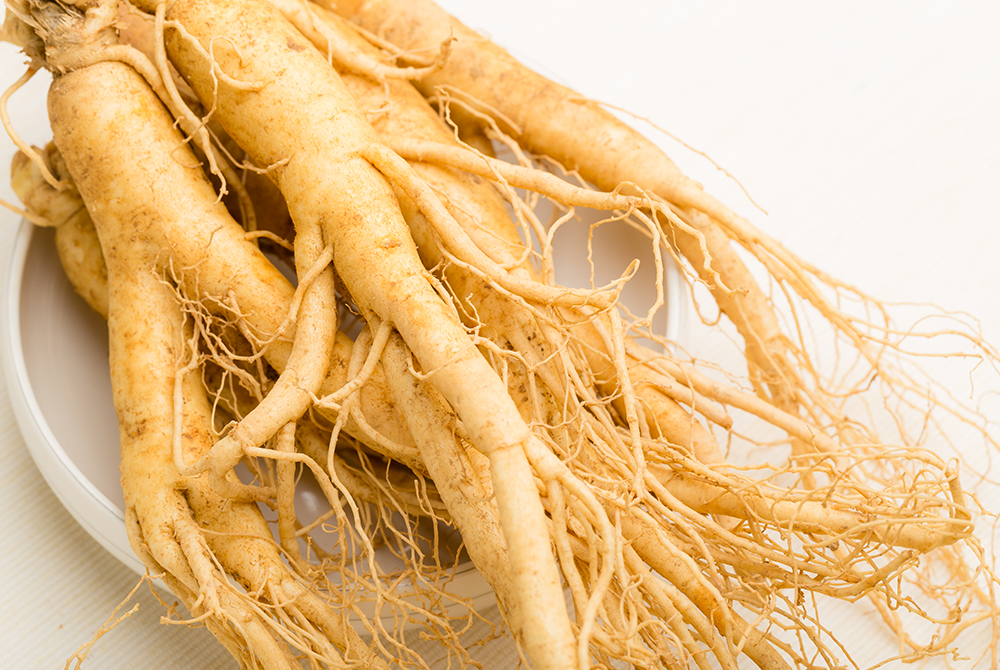
Ginseng (Panax) and Siberian ginseng are plants of completely different origins. They represent different species and have a different set of active ingredients, however, some of their features are similar.
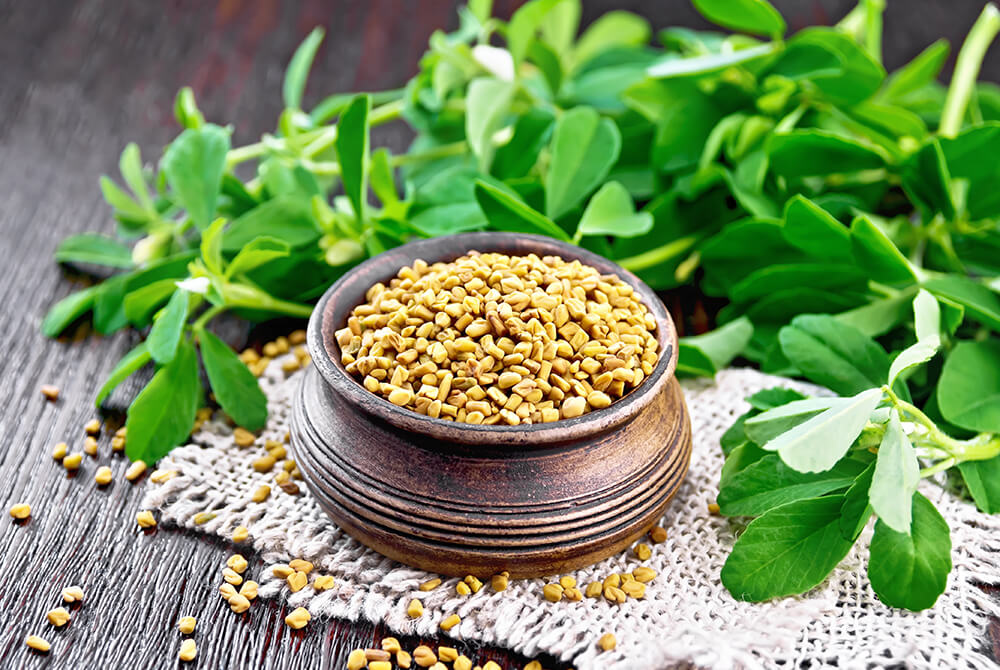
Fenugreek is a plant, which seeds are not only an important spice in many world cuisines but, especially, are a valuable medicinal raw material. What do fenugreek seeds help for?
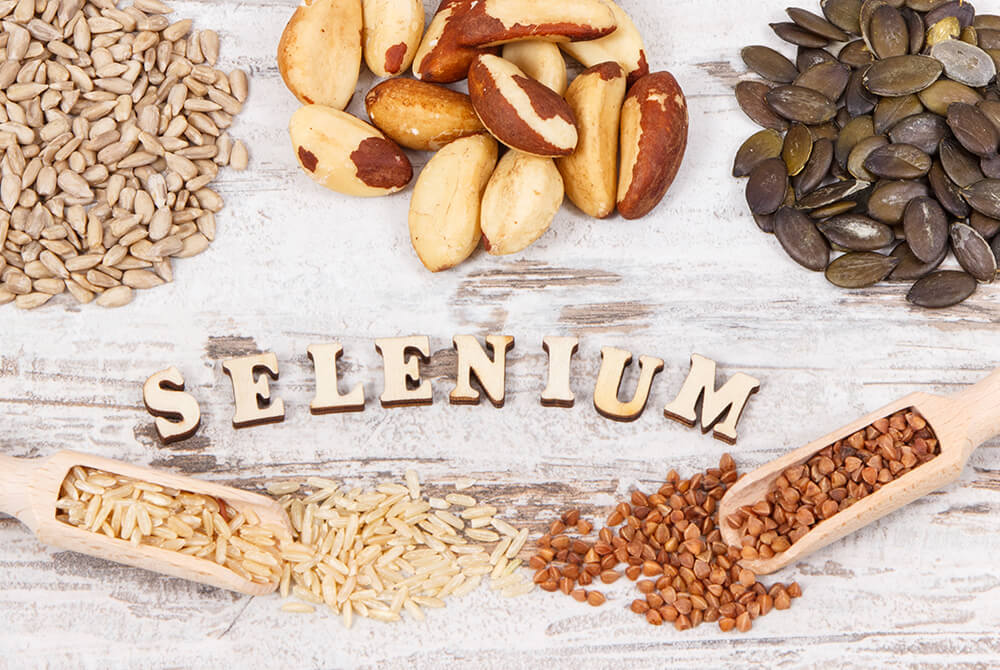
Selenium is a trace element included in many enzymes. It has antioxidant and anti-inflammatory properties, so it prevents inflammatory and autoimmune diseases.
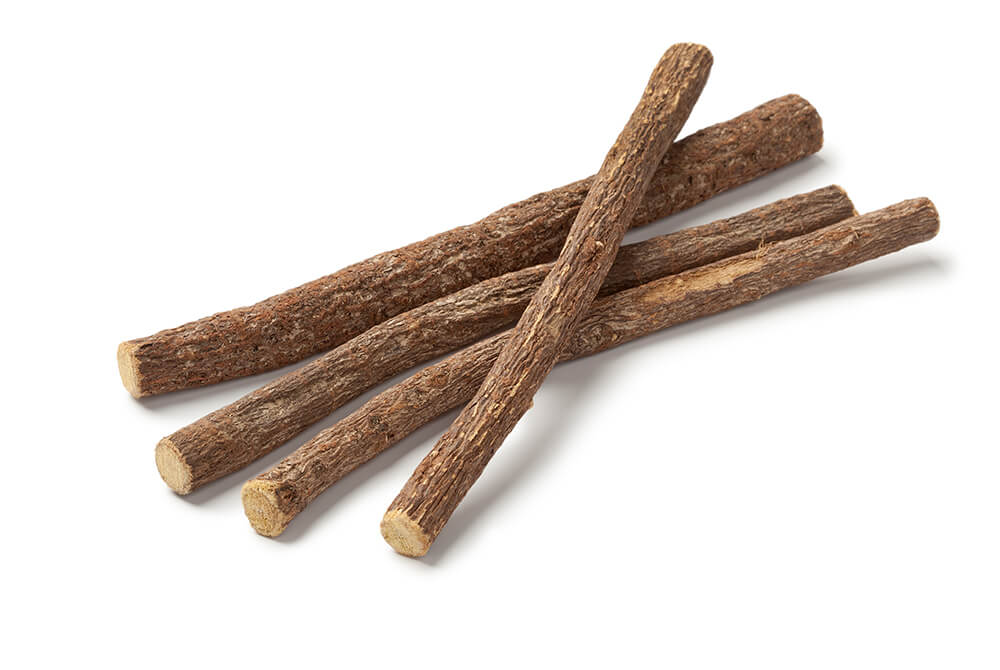
Liquorice is a popular herb in Europe. Its root is used as a health-promoting raw material. It is also very sweet, so the food and pharmaceutical industries benefit from it.