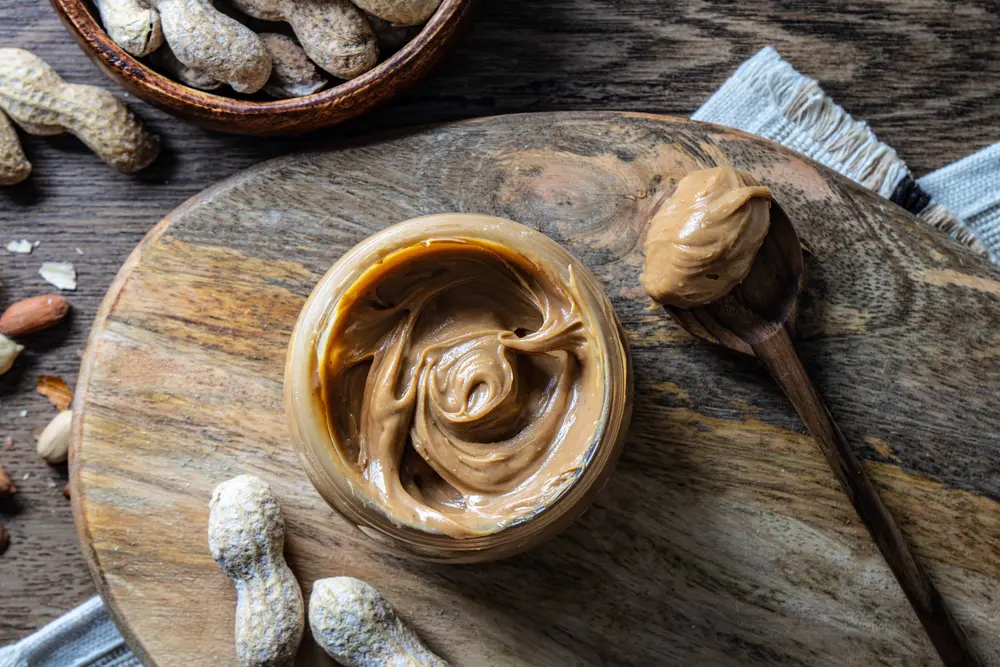
Peanut butter is a creamy paste traditionally made from peanuts. What effect can peanut butter have on the human body? What to make from peanut butter?
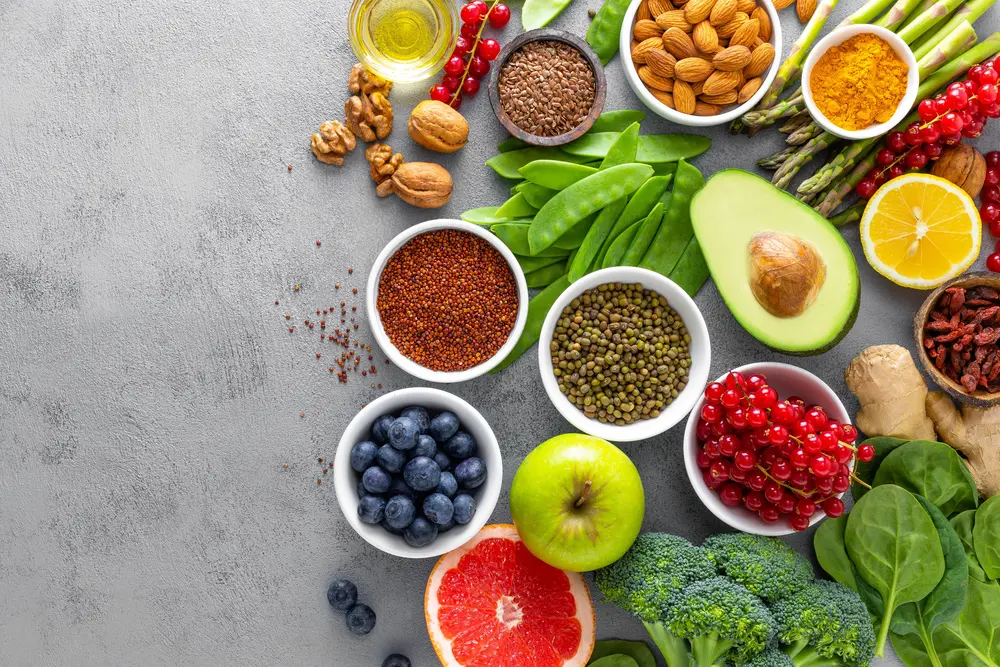
Antioxidants in the diet: Learn what antioxidants (also called free radical scavengers) are and how they help neutralize free radicals. Slow down the aging process!
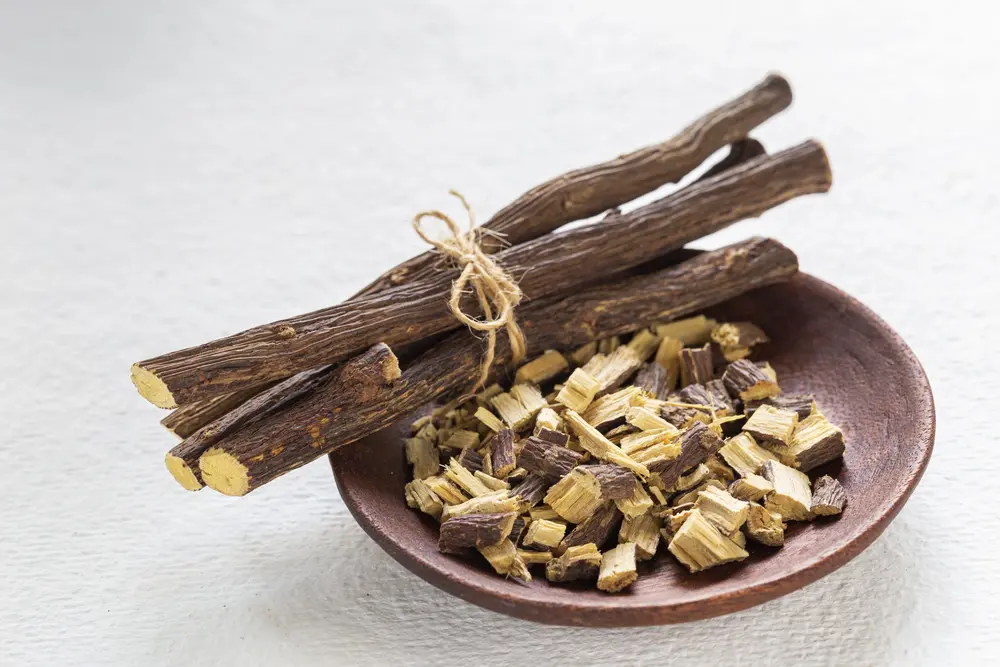
Liquorice is a popular herb in Europe. Its root is used as a health-promoting raw material. It is also very sweet, so the food and pharmaceutical industries benefit from it.
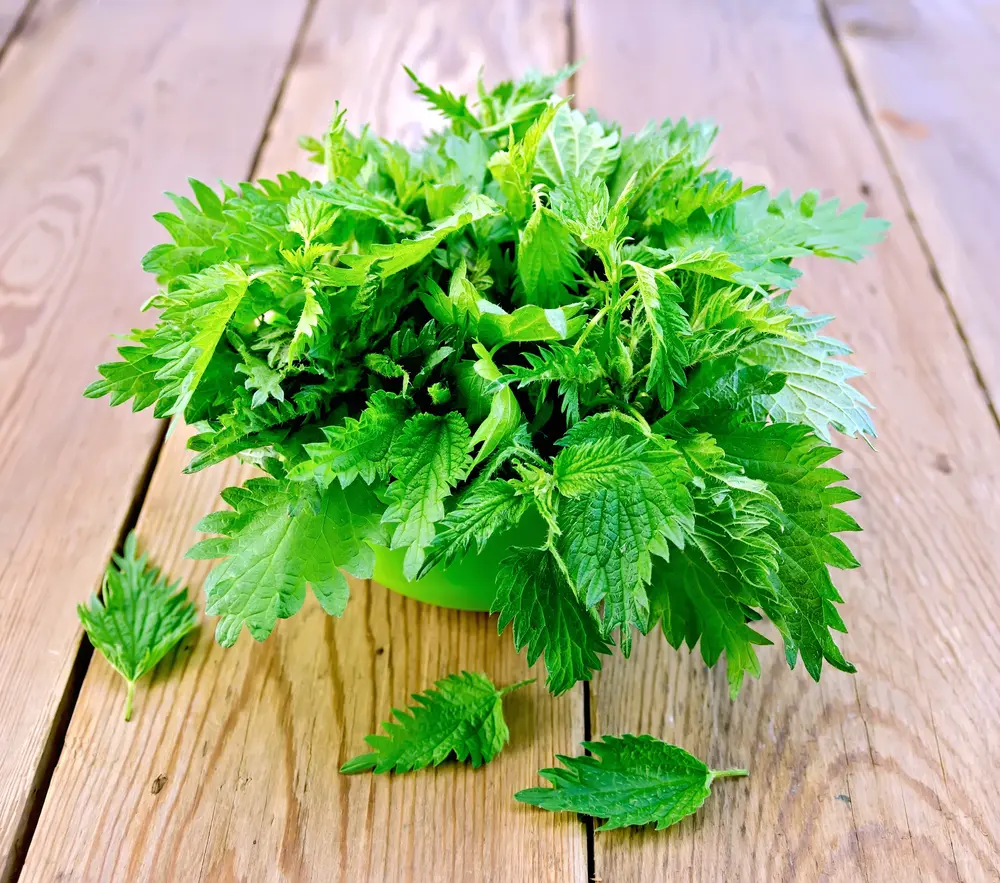
Common Nettle (Urtica dioica L.) is a plant with a wide range of health benefits, used since ancient times, including by Hippocrates. Due to its rich content of active ingredients, nettle helps treat many ailments, from urinary system issues to inflammation and metabolic disorders.
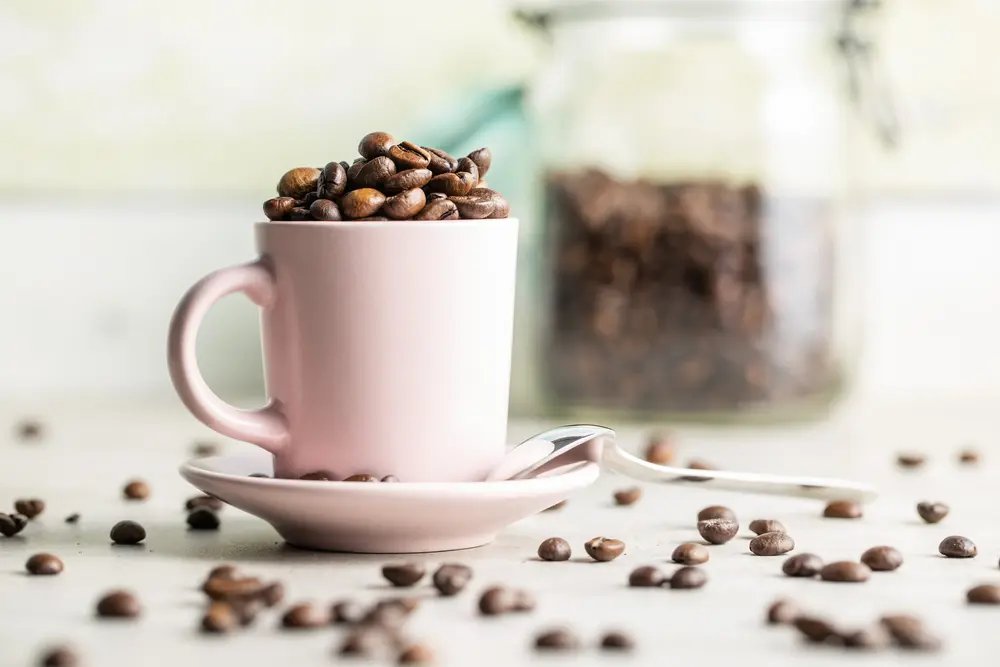
Coffee is one of the most popular drinks in the world, and for many, it's a daily ritual, a source of energy, and a way to improve concentration. But is it really healthy, who can it harm, and does it really deplete magnesium and potassium?
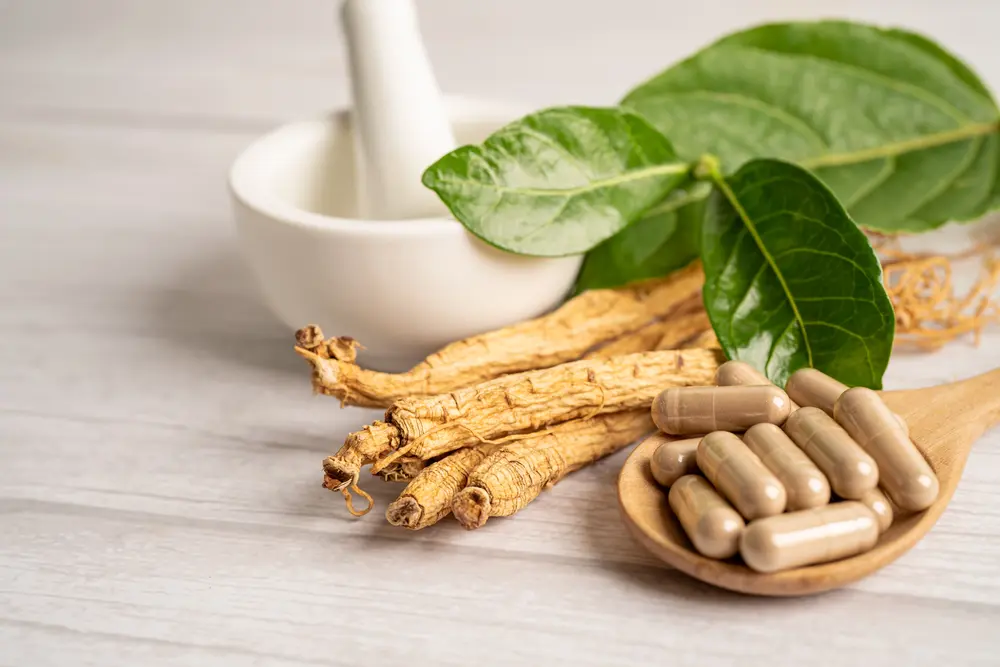
Ginger is not only an aromatic spice. Its root is one of the best researched natural healing materials. Modern science confirms many of its traditional uses. What medicinal properties does it have?
Curcumin is a substance with anti-inflammatory properties that can be especially helpful during the winter season. Curcumin – how does it work and what is it good for?
Maltodextrin is a substance of natural origin, derived from corn or potato starch. The technological properties of maltodextrin are very wide. It can be found in the ingredients of many food products.
Milk thistle has been used as a healing plant for at least 2000 years. It is believed to be effective in a wide range of diseases. Is it true? What does it help? When might its use be dangerous?