Dehydration is a common and serious issue that can lead to major imbalances in the body. Learn how to recognize it, what causes it, and how to effectively prevent it.
Circuit training is made up of about 10 exercises that are repeated in circuits, or cycles, with short breaks between circuits and often no breaks between individual exercises.
You run and wonder whether supplements are a must-have or just a waste of money? The answer depends on who you are as a runner. Here you'll find an overview of the most important supplements - from vitamin D and magnesium, through creatine and beta-alanine, to energy gels and collagen - along with concrete advice on where to start and when any of it actually makes sense.
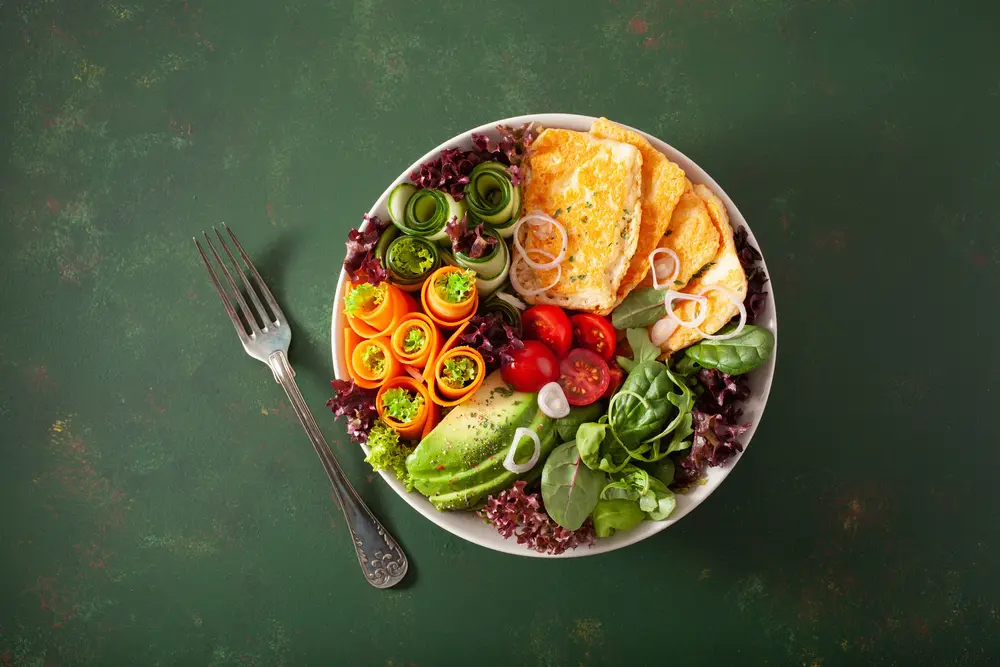
The 8/16 diet is a kind of intermittent fasting - for 8 hours during the day you can freely reach for food, while during a 16-hour break you should fast. What are the rules of intermittent fasting? Know its benefits and effects.
An antihistamine diet may help relieve symptoms associated with suspected histamine intolerance, but it should be well-balanced and easy to maintain on a daily basis. Find out what a low-histamine diet involves, what its phases are, which foods are worth choosing, and which are better to avoid.
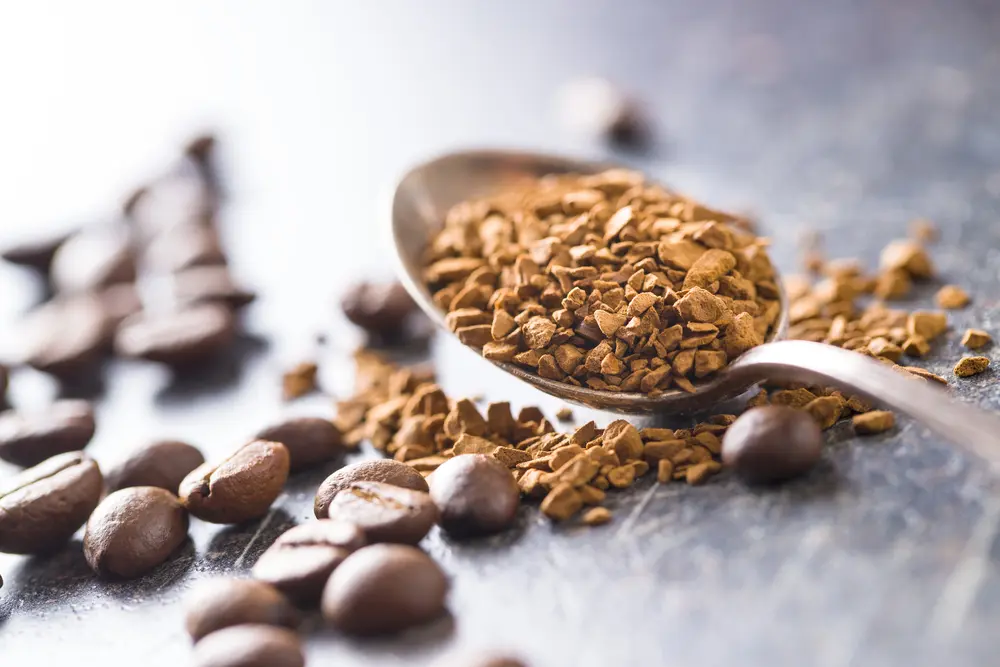
Coffee before training is a simple ritual that, thanks to caffeine, can stimulate the body, improve concentration, and reduce the feeling of fatigue. Find out when it is worth drinking, how it affects endurance, and in which situations it is better to avoid it.
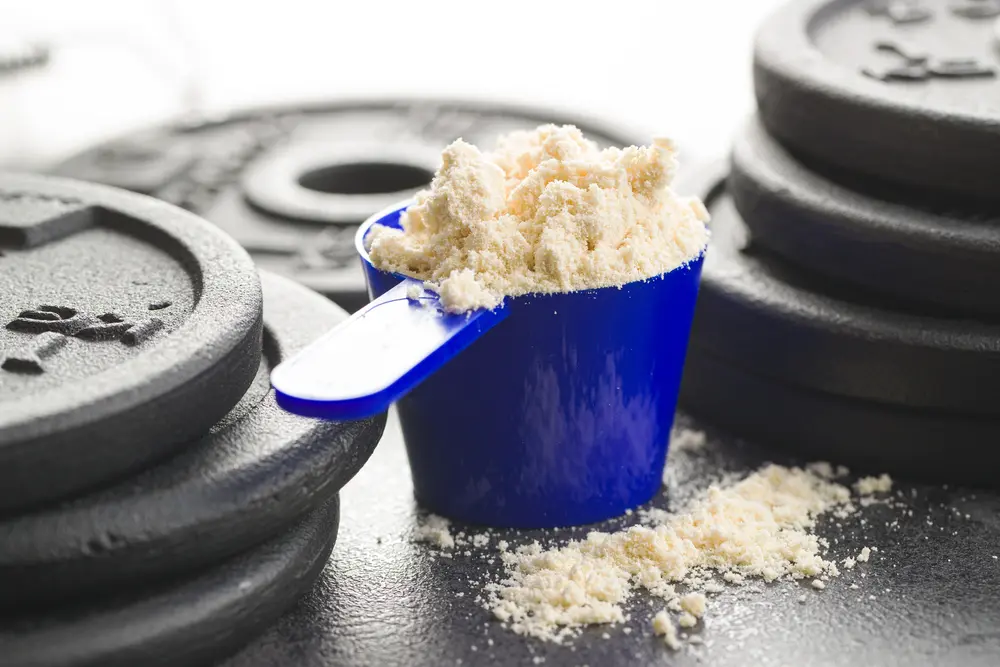
Creatine malate is the best soluble form of creatine, which due to its excellent absorption in the body enjoys great interest among physically active people.